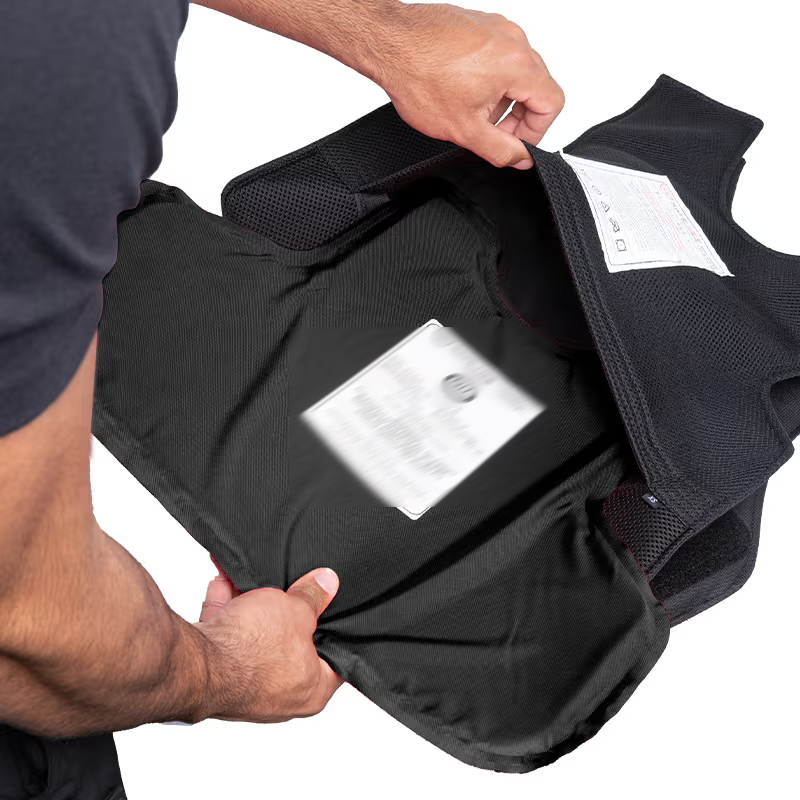
Elite Bags EMS E-VEST
$99.99

Responder Ballistic PPE Vest - Level IIIA
$999.99
$1,324.00


Between 2016 and 2023, assaults on EMS personnel in the United States increased by over 50%. Stabbings during patient contact. Gunfire on scenes that dispatch called "non-violent." The data isn't ambiguous — and neither is the solution. EMS ballistic vests exist because hoping a scene stays safe is not a protection strategy.
This collection brings together ballistic vest EMS options selected for one purpose: keeping medical providers alive and functional in environments where the threat level can shift without warning.
For years, the only option for EMS agencies exploring body armor was to repurpose police-grade carriers. Heavy. Bulky. Designed for duty belts and external equipment mounting — not for someone who needs to intubate a patient in the back of a moving ambulance.
The EMS ballistic vests in this collection solve that mismatch. Every vest is evaluated against the specific physical demands of prehospital medicine: repetitive bending, overhead reaching, prolonged kneeling, and sustained exertion during patient packaging and transport. Protection that doesn't account for these realities becomes a liability, not an asset.
Ounces become pounds across a 24-hour shift. These vests use advanced ballistic materials that deliver certified protection at reduced weight, keeping providers agile through back-to-back calls. Less fatigue means sharper clinical decision-making when it counts.
Body armor traps heat. In an ambulance box that's already warm, that becomes a performance killer fast. Ventilated carriers, moisture-wicking fabrics, and strategic airflow channels in this collection's vests address the thermal reality of EMS work — not the air-conditioned office where specs get written.
An external tactical carrier changes the dynamic between provider and patient. Concealable ballistic vest EMS designs maintain the approachable, clinical presence that effective patient rapport requires. Protection stays invisible. Trust stays intact.
Vests in this collection carry NIJ ballistic ratings matched to handgun-caliber threats — the predominant firearm risk profile in domestic EMS responses. Multi-threat models add stab and spike resistance for providers working in close-contact patient care scenarios where edged weapons and needles are common hazards.
Assault rates against EMS providers continue to climb nationally. An EMS ballistic vest provides a critical layer of survivability for providers who regularly enter uncontrolled and potentially violent scenes.
Not if it's designed for EMS. The vests in this collection are specifically engineered for the range of motion prehospital medicine demands — from chest compressions to spinal immobilization — without restricting clinical performance.
Most EMS agencies select NIJ Level II or IIIA soft armor, which stops common handgun rounds while maintaining the flexibility and low weight essential for medical operations. Medtac can help match the right protection level to your agency's threat assessment.
Multi-brand curation means optimal performance — not vendor compromises.
We select the best component from each manufacturer — not whatever a single vendor pushes.
Components chosen based on clinical studies and field data — not marketing claims.
Trusted by professionals across law enforcement, EMS, and corporate safety programs.