





No products found
Use fewer filters or clear all
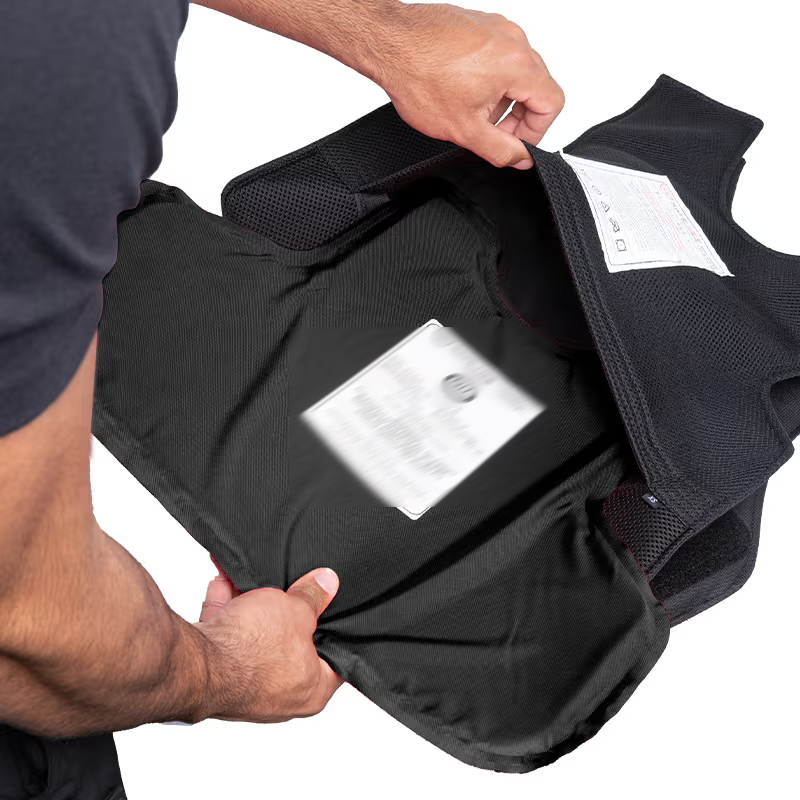
MED-TAC International's Police/Fire/EMS Vests with Armor collection covers duty vests with integrated ballistic protection built for law enforcement officers, firefighters, and EMS providers working in high-risk environments. From soft armor NIJ Level IIIA concealable carriers to overt plate carrier vests, these systems provide responders ballistic coverage without sacrificing the mobility, organization, and extended-wear comfort required for operational duty.
Why Do Police, Fire, and EMS Responders Need Armor-Integrated Vests?
The deployment of Rescue Task Forces (RTF) following active-shooter and mass casualty incidents has fundamentally changed equipment requirements for fire and EMS responders. Under the warm-zone RTF model, EMS providers and firefighters enter areas with ongoing or unresolved threat exposure to extract and treat casualties. The Hartford Consensus — developed in response to the Sandy Hook shooting — established the THREAT protocol and emphasized that fire/EMS providers operating in warm zones require ballistic protection commensurate with the environment. For law enforcement, the operational tempo of patrol, high-risk entry, and active-threat response creates a similar requirement for duty vests that provide all-day wearability alongside NIJ-rated protection. An armor-integrated vest allows responders to carry ID placards, medical supply pouches, radio holders, and administrative equipment on the same platform that provides their ballistic protection. See the full Rescue Task Force loadout in the Rescue Task Force Equipment collection.
What Do NIJ Ballistic Protection Levels Mean for First Responder Vests?
The NIJ (National Institute of Justice) Standard 0101.06 establishes ballistic performance requirements for body armor. Understanding protection levels is essential for selecting the right vest for the operational context.
| NIJ Level | Protects Against | Armor Type | Typical Responder Use |
|---|---|---|---|
| Level IIIA | .44 Magnum, 9mm FMJ, most handgun threats | Soft armor (concealable or overt) | Standard law enforcement duty vest, EMS/fire warm-zone |
| Level III | 7.62x51mm FMJ (M80 ball) rifle threats | Hard armor plate (standalone or with soft backer) | High-risk entries, active-threat response, RTF operations |
| Level IV | .30 caliber AP (M2 AP) armor-piercing rifle threats | Hard ceramic or composite plate (standalone) | Military, specialized law enforcement, SWAT/tactical teams |
| Special Threat | 5.56mm M855 (green tip) and other specific intermediate caliber threats | Hard armor plate, IIIA+ rated | Law enforcement patrol, RTF, active-threat environments |
What Features Matter for First Responders Wearing Armor Vests on Extended Shifts?
A first responder wearing an armor vest for a 10–12 hour shift requires features that balance protection with wearability. Key considerations include: carrier material — breathable mesh or moisture-wicking spacer fabric significantly reduces heat buildup compared to solid nylon carriers; weight distribution — padded shoulder straps and a well-fitted cummerbund distribute plate weight across the torso, reducing shoulder and lower back fatigue; quick-release — for EMS providers who may need to remove the vest quickly for patient care or extrication, a pull-tab quick-release system allows fast doffing; organizational capacity — front panel MOLLE webbing or Velcro placard systems allow integration of medical supply pouches, ID panels, radio holders, and tourniquet loops without requiring a separate chest rig; size and cut — female-specific cuts and shorter front plates reduce restriction for seated operators (firefighters in apparatus, EMS in ambulances). MED-TAC carries vests sized and configured for the full range of first responder roles.
What Armor Is Required for Rescue Task Force Operations?
Rescue Task Force protocols vary by jurisdiction, but most RTF programs specify at minimum a Level IIIA soft armor vest or carrier for EMS providers operating in the warm zone. Some advanced RTF programs — particularly those designed for active-shooter response in suburban or rural environments where rifle-caliber threats are primary — specify Level III hard armor plate carriers. The FEMA National Integration Center's RTF guidance and the Domestic Preparedness Support Initiative both address body armor requirements for fire/EMS RTF members. Practically, the minimum RTF loadout includes: IIIA-rated soft armor or hard armor plate carrier, ballistic helmet, tourniquet staged externally on the vest, and IFAK. For departments building out their RTF program from the ground up, MED-TAC can assist with complete loadout configuration — browse Rescue Task Force Equipment and the Ballistic Helmets collection.
Protect the Providers Who Protect Everyone Else
NIJ-rated vests built for law enforcement, fire, and EMS — all-day wearability, mission-ready protection.
Frequently Asked Questions
What is the difference between a concealable soft armor vest and an overt duty vest?+
How long does body armor last before it needs replacement?+
Can EMS providers wear body armor in Florida and other states?+
What medical pouches and accessories can be mounted on an armor vest?+
How do I select the right vest size for an armor carrier?+
Related Collections
All products sourced from the actual brand manufacturer or authorized master distributors. CoTCCC recommendation status verified where applicable. Ships from MED-TAC International, Pembroke Pines, FL — clinician-founded, veteran-led, SDVOSB-certified.