Is the SAM Junctional Tourniquet CoTCCC-recommended?
Yes. The SAM® Junctional Tourniquet (SJT) is one of three CoTCCC-recommended junctional tourniquets, alongside the JETT and the Combat Ready Clamp. It was added to CoTCCC guidelines in 2013 following FDA 510(k) clearance on March 18, 2013 (NSN: 6515-01-618-7475). It is indicated for inguinal and axillary hemorrhage control and pelvic fracture stabilization and has been fielded by U.S. forces since October 2013. 'CoTCCC-recommended' means the Committee on Tactical Combat Casualty Care formally endorses its use in the TCCC guidelines.
How does the SAM Junctional Tourniquet stop bleeding where a regular tourniquet cannot?
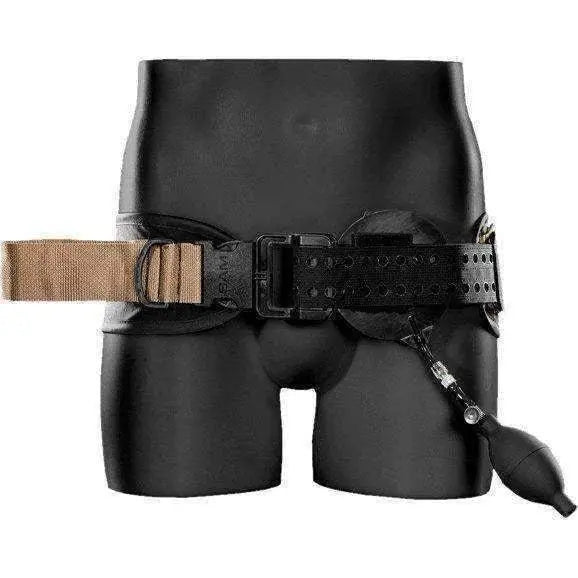
The SAM JT uses pneumatic Target Compression Devices (TCDs) — inflatable pads attached to a circumferential pelvic belt — to deliver focused point pressure directly over the femoral artery below the inguinal ligament or over the axillary artery in the infraclavicular fossa. When inflated by hand pump, each TCD generates enough targeted pressure to occlude the underlying artery without the circumferential limb encirclement that standard windlass tourniquets require. In cadaveric testing, the SJT required only 107 mmHg of TCD pressure to occlude the external iliac artery at the inguinal ligament — significantly less than the 139 mmHg required by manual compression alone (Journal of Special Operations Medicine, 2014).
Can the SAM Junctional Tourniquet be used for bilateral injuries?
Yes. The full configuration (JT400-EN) includes two TCDs and one TCD extender, specifically enabling simultaneous bilateral inguinal deployment. In IED blast injuries involving bilateral high-thigh wounds or bilateral above-knee amputations — a frequent pattern in dismounted combat — both inguinal arteries can be occluded with a single belt application by positioning and inflating each TCD independently. This bilateral capability is a key clinical advantage over single-site junctional compression devices.
What is the AUTOSTOP Buckle and why does it matter?
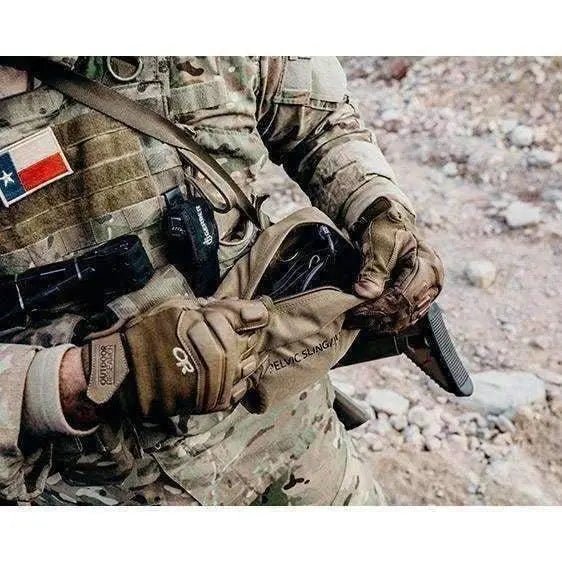
The AUTOSTOP Buckle is the SJT's controlled-force mechanism, adapted from the SAM® Pelvic Sling. It limits circumferential belt tension to approximately 150N — the optimal threshold for both arterial occlusion and pelvic fracture reduction. An audible click confirms correct engagement. This prevents operator-dependent overtightening, which can vary widely under stress, fatigue, or training deficits, and ensures consistent occlusion force regardless of user experience level. The two prongs that activate at optimal force provide a tactile and auditory confirmation of proper application — a critical feature in high-stress environments.
How long can the SAM Junctional Tourniquet remain in place?
For inguinal and axillary applications, the manufacturer recommends a maximum application duration of 4 hours, consistent with guidance for other junctional devices. For abdominal/pelvic placement, shorter durations apply per clinical protocols. After 4 hours, ischemia-reperfusion risks increase. The casualty should be continuously monitored for hemorrhage recurrence, distal limb viability, and device stability — especially after transport, patient packaging, or transfer between care teams. Time of application must be documented immediately on the casualty's forehead and TCCC Casualty Card.