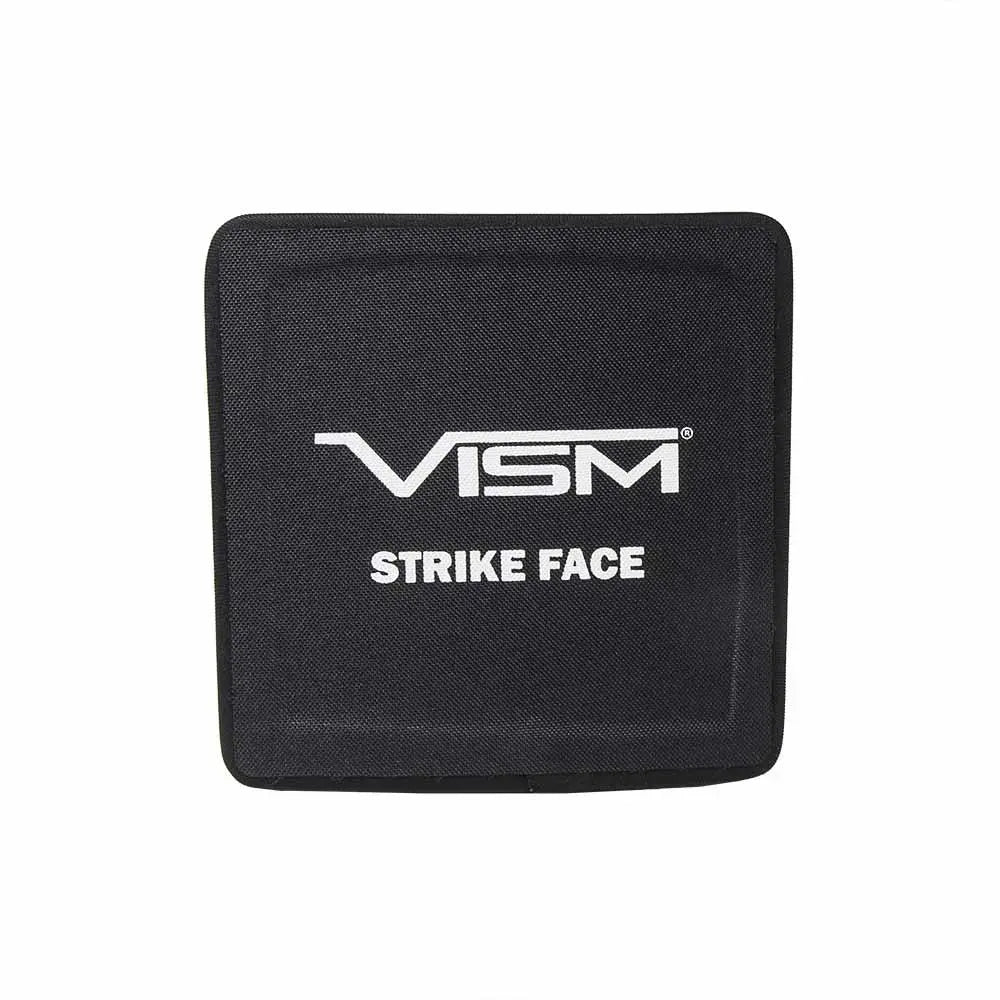
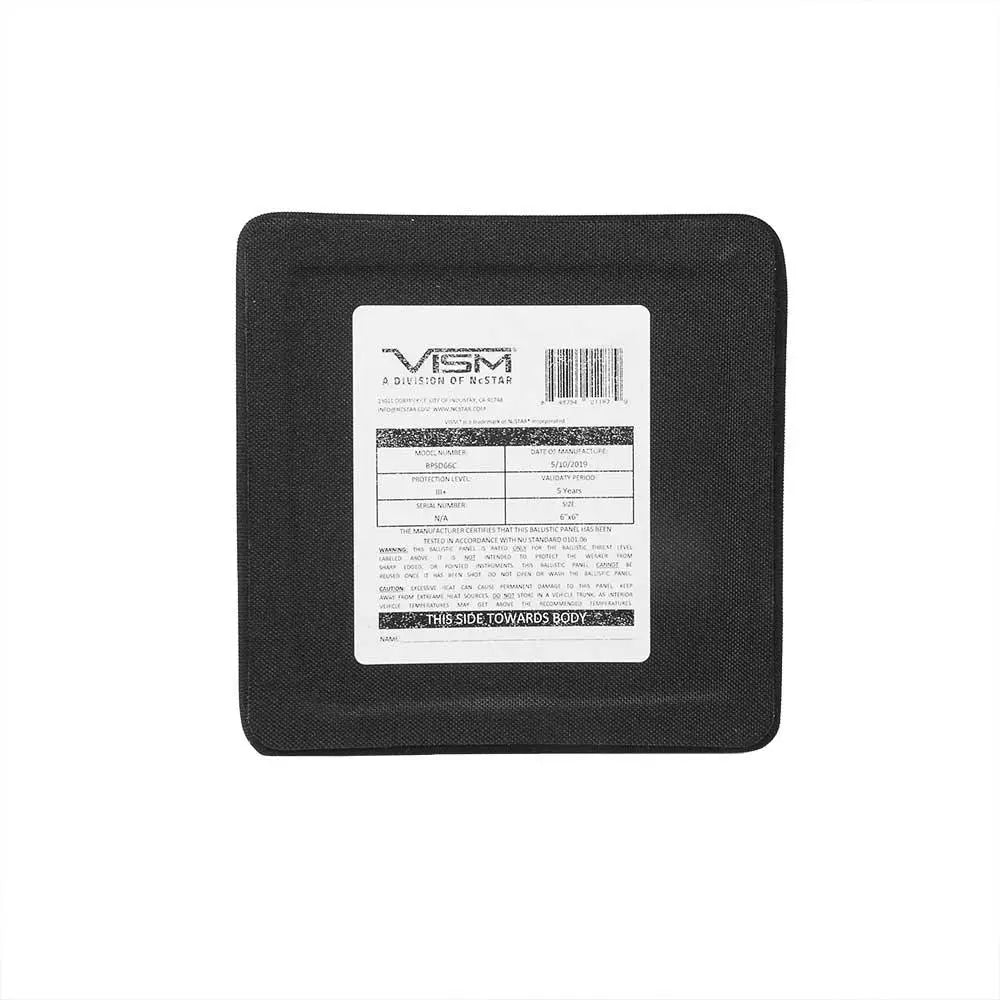
What does SRT stand for in the VISM SRT Ceramic Side Plate?
SRT stands for Special Rifle Threat. It indicates that the plate has been tested and rated to defeat high-velocity rifle threats beyond the standard NIJ Level III test protocol — specifically including steel-core and penetrator-type rounds that standard UHMWPE Level III plates may not reliably stop. For the VISM SRT Ceramic/PE plates, this includes threats from the most commonly encountered high-velocity rifle rounds in tactical and active shooter scenarios.
Is the VISM SRT Ceramic Side Plate a direct upgrade over the UHMWPE-only VISM side plates?
For defeating hardened steel-core and penetrator-type rifle rounds, yes — the ceramic strike face on the SRT plate provides superior defeat capability against these specific threats compared to UHMWPE-only plates. The trade-off is weight: the SRT ceramic side plate weighs ~1.6 lbs versus ~1.07 lbs for the UHMWPE-only side plates. If your threat environment includes M855 Green Tip, 7.62×39mm steel-core, or similar penetrator ammunition, the SRT ceramic plate provides additional protection. For general Level III threats without hardened penetrators, the UHMWPE plates are sufficient and lighter.
Can the VISM SRT Ceramic Side Plate be used without the matching VISM SRT front/rear plates?
Yes — the VISM SRT Ceramic 6"×6" Curved Side Plate is a standalone side plate that can be used in any plate carrier with compatible 6"×6" side pockets, regardless of what front/rear plates you use. However, it is specifically engineered to match the protection profile and construction philosophy of the VISM Level III+ SRT Ceramic/PE full-size plates, making it the ideal lateral companion for that system. Using it with any other Level III+ or Level IV front/rear plates also provides valid side protection.
How does Silicon Carbide (SiC) ceramic differ from the alumina ceramic used in other plates?
Silicon Carbide (SiC) ceramic has a Mohs hardness of approximately 9.5, making it one of the hardest materials used in body armor. Aluminum Oxide (Al₂O₃, alumina) ceramic, which is more commonly used in cost-reduced ceramic plates, has a Mohs hardness of approximately 9.0. The higher hardness of SiC allows it to fracture and deform steel-core rifle projectiles more effectively, particularly against hardened penetrators. SiC is also less dense than alumina, so SiC-based plates can achieve equivalent or superior protection at lower weight compared to alumina-based designs of the same geometry.
What is the warranty on the VISM SRT Ceramic Side Plate?
VISM provides warranty information consistent with their plate lineup for the SRT Ceramic side plate (BP3P66C). Ceramic composite plates should be inspected regularly for visible cracks, delamination, or cover damage. Ceramic plates that have been struck by any ballistic round — regardless of visible exterior damage — should be removed from service immediately, as the ceramic strike face may have fractured internally in ways not detectable by visual inspection. Contact MED-TAC International for current manufacturer warranty terms applicable to this SKU.