


Severe Bleeding Can Become Fatal in Under 5 Minutes.
Most Emergency Response Times Exceed That.
Professional-grade hemorrhage control and trauma training built for responsible civilians, families, and professionals.
In the critical minutes before help arrives, you can be the difference. No medical background required. Just the willingness to learn and the right tools at hand.

Most People Are Not Medically Prepared.
Most homes have a first aid kit. Most vehicles have jumper cables.
Very few civilians carry equipment capable of stopping severe arterial bleeding.
Massive hemorrhage remains the leading preventable cause of trauma death.

Time until death from uncontrolled severe bleeding
Average EMS response time in cities

Average EMS response time in rural areas
The Critical Cascade:
How Uncontrolled Bleeding Progresses
When a major artery is severed, the body enters a rapid downward spiral. Understanding this timeline is crucial to intervention.
Blood Volume Drops
An adult has approximately 5 liters of blood. A severed femoral artery can expel 1 liter in just 60 seconds. The body immediately senses the loss, triggering compensatory mechanisms that can't keep pace.
Oxygen Delivery Decreases
With less circulating blood, red blood cells can't transport oxygen to tissues effectively. Cells begin switching to anaerobic metabolism, producing lactic acid as a byproduct.
Blood Pressure Collapses
As volume drops, systolic pressure falls below 90 mmHg. The patient becomes confused, agitated, and pale. This is the "point of no return" without immediate intervention.
Organs Lose Perfusion
The brain, heart, and kidneys are most sensitive to oxygen deprivation. Irreversible damage begins within 4-6 minutes. The body shunts remaining blood to core organs.
Cardiac Arrest Follows
The heart, starved of oxygen and unable to pump against collapsed vessels, ceases effective rhythm. Without immediate CPR and bleeding control, death follows in moments.
This progression can occur in minutes. Preparation changes that timeline.
Close the Gap
20% of trauma deaths could be prevented with proper immediate care.
Prepared civilians bridge the response gap.
How Severe Bleeding Actually Kills
This is not dramatic. It is physiological.
The Numbers
An adult carries approximately five liters of blood. Rapid loss of 30–40 percent of that volume leads to decompensated shock.
The heart attempts to compensate by increasing rate. Blood pressure falls. Oxygen delivery fails.
Without intervention, irreversible damage begins.
The Progression
- 1 Blood volume drops
- 2 Oxygen delivery decreases
- 3 Blood pressure collapses
- 4 Organs lose perfusion
- 5 Cardiac arrest follows
Stopping the bleed early preserves perfusion.
Preserving perfusion preserves life.
This Isn't About Extreme Scenarios
It's About Everyday Emergencies


Motor Vehicle Accidents
40,901 deaths in 2023
The leading cause of preventable death for ages 5-22. Whether witnessing a highway collision or being first on scene in your neighborhood, bleeding control saves lives before paramedics arrive.

Workplace Incidents
5,283 workplace fatalities, 2.6M injuries annually
From construction sites to warehouses, machinery accidents and falls create severe bleeding situations where coworkers become first responders.

Kitchen & Home
Over 434,000 knife-related ER visits yearly
Deep cuts from kitchen knives, broken glass, or home improvement tools. These happen when you're the only help available.

Sports & Recreation
2.7M youth sports injuries requiring ER care
Collisions, falls, equipment accidents. Coaches and parents are the immediate responders on sidelines and playgrounds.

Community Spaces
Accidents happen everywhere
Shopping centers, places of worship, schools. Being prepared means being ready wherever life takes you.

Outdoor Activities
Where help is furthest away
Hiking, hunting, camping—activities where nearly one in ten rural emergencies result in 30+ minute waits for EMS.
This is as normal as having band-aids in your medicine cabinet.
Being prepared isn't paranoid—it's responsible.
The MED-TAC Preparedness Framework
Four Steps. No Medical Degree Required.
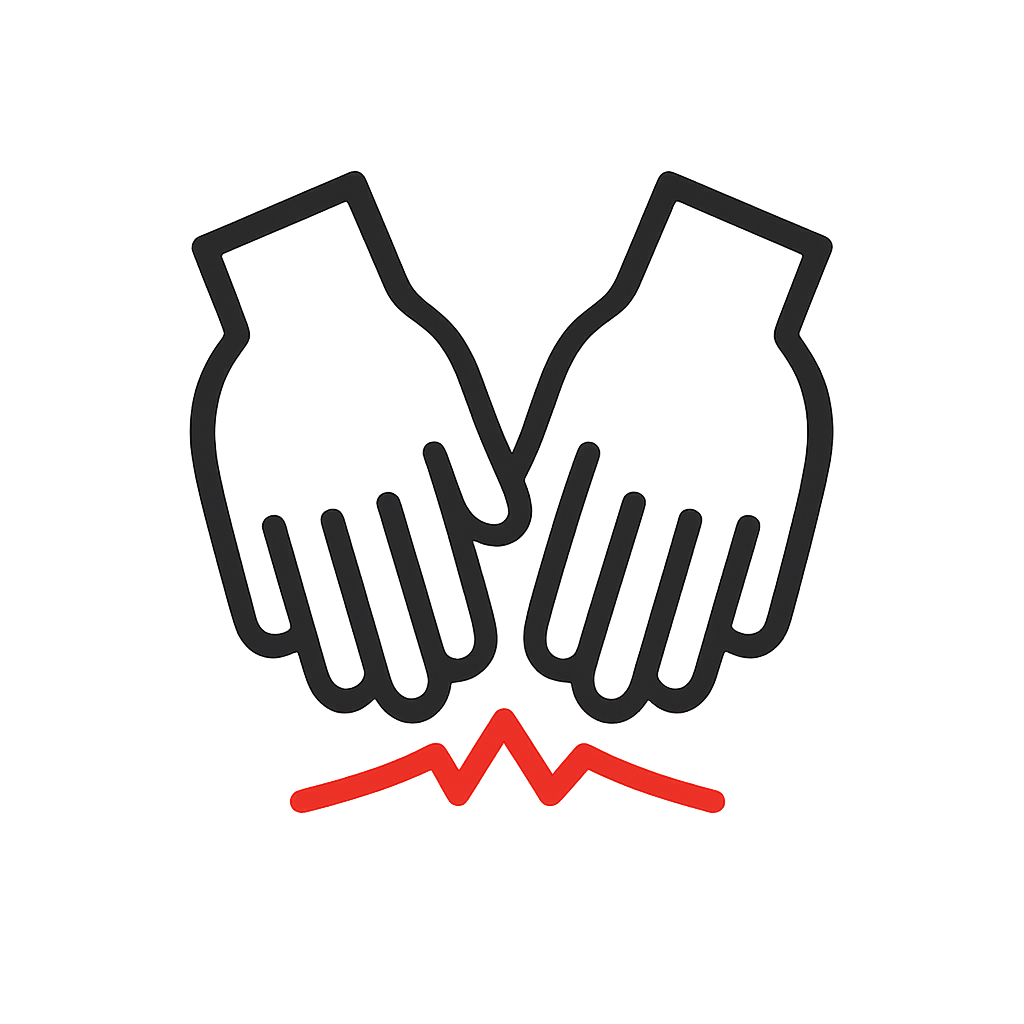
Recognize
Step 1: Identify life-threatening bleeding quickly
What to Look For:
- Blood pooling or spurting
- Clothing soaked with blood
- Trauma to arms, legs, or torso
- Rapid recognition saves lives
Remember: Seconds matter. Quick assessment is the first step to action.
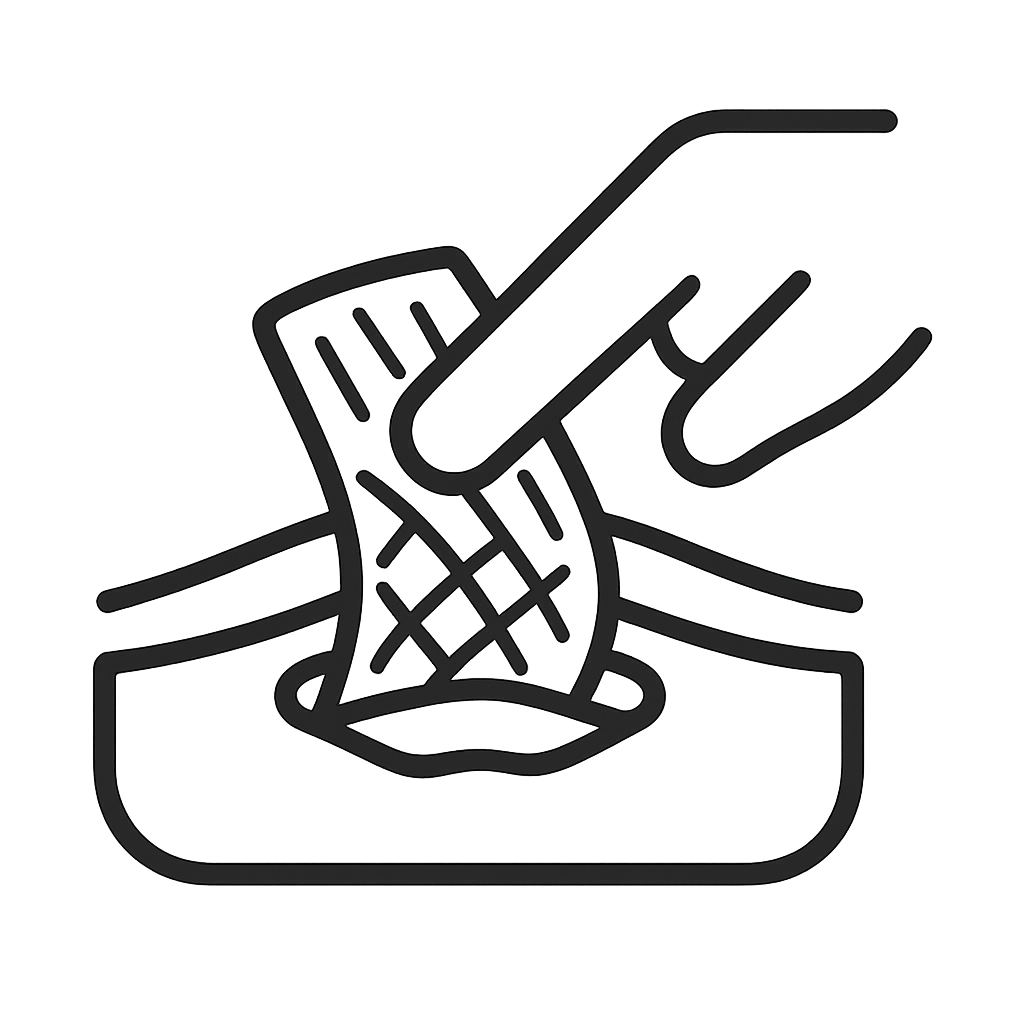
Stop the Bleed
Step 2: Apply tourniquet or pack wound correctly
The Basics:
- Direct Pressure: Firm pressure with both hands
- Wound Packing: Push gauze deep into the wound
- Tourniquet: High and tight for limb bleeding
- Don't peek—maintain constant pressure
- Hold for at least 3 minutes
Key Point: Correct application stops bleeding fast. Pack it tight, apply it right.
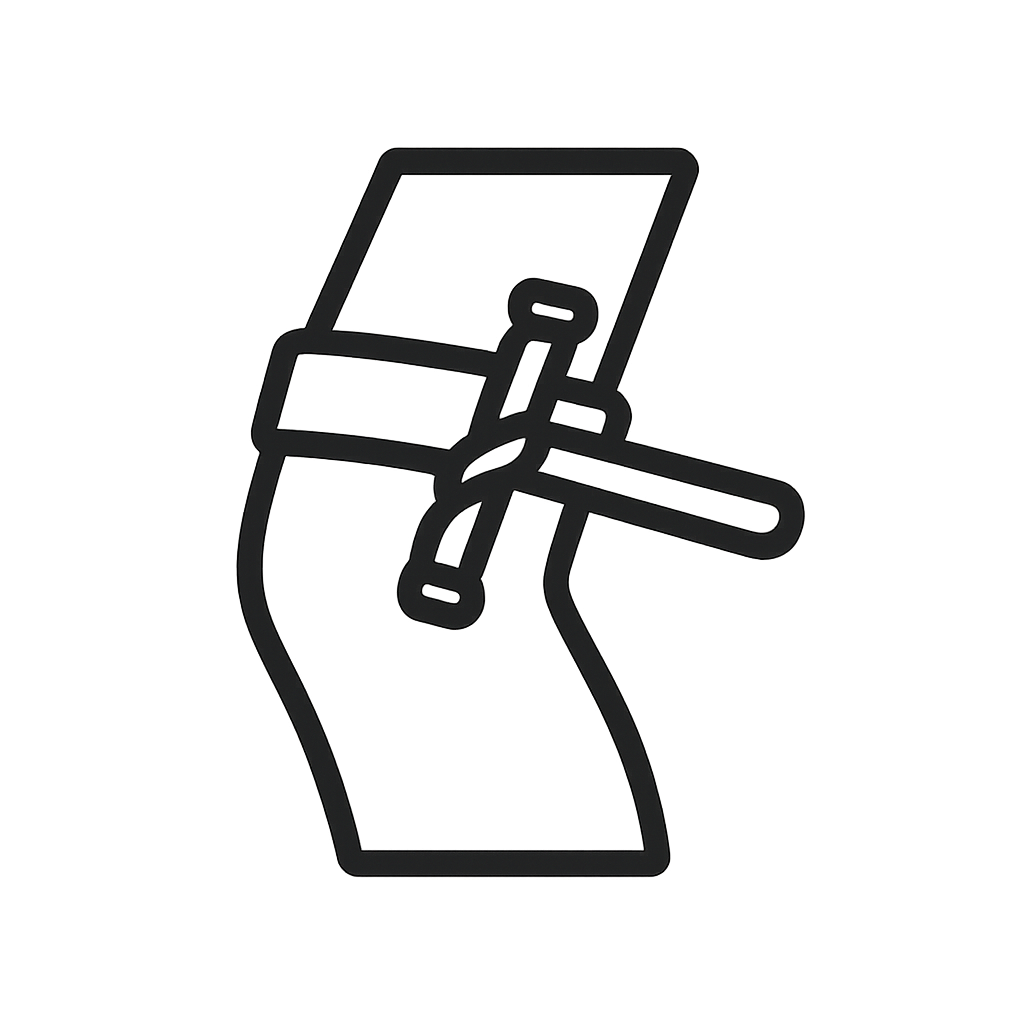
Stabilize
Step 3: Maintain pressure and monitor
The Basics:
- Secure the dressing in place
- Monitor for re-bleeding
- Keep patient warm (prevent hypothermia)
- Write the time on the tourniquet
- Never remove—let EMS handle that
Critical: Stabilization maintains perfusion. Don't disturb the intervention.
Transition
Step 4: Provide information to EMS upon arrival
The Basics:
- Tell EMS what interventions you performed
- Document time of tourniquet application
- Note any hemostatic agents used
- Describe wound location and severity
- Provide patient information if known
Remember: Clear handoff saves time. EMS can build on what you've started.
Who This Is For
If you spend time in public spaces, you are part of the response chain.

Parents
Responsible Civilians
Law Enforcement
Firefighters
Corporate Safety Leads
Educators
Overlanders & Travelers
Prepared Civilians
You are the first responder. Be ready.
First Aid Kit vs Trauma Kit
First Aid Kit
Band-aids and basics
- Minor cuts and scrapes
- Small bandages
- Antiseptic wipes
- Convenience-oriented
Trauma Kit
Built for real emergencies
- Arterial control
- Life-threatening bleeding
- Tourniquets & hemostatic gauze
- Critical intervention
Know the difference. Be prepared for both.
Built for Real Trauma, Not Minor Cuts
Professional-grade components. Every item exists for a physiological reason.
Commercial-grade tourniquet
Engineered to occlude arterial blood flow under stress.
Pressure dressing
Applies sustained compression to control hemorrhage.
Hemostatic gauze
Supports natural clot formation in severe wounds.
Gloves + trauma shears
Protection and rapid exposure.
Quick-reference card
Clear, structured response guidance under stress.
User-friendly essentials for home and vehicle
Standard in bleeding control: The most widely trusted tourniquet by military, law enforcement, and emergency responders worldwide.
- One-handed self-application design
- Windlass system with secure locking mechanism
- Proven in combat and civilian emergencies
- Lightweight and compact for any kit
The CAT Gen 7 is the gold standard for hemorrhage control. Trusted by CoTCCC and emergency professionals, it's the foundation of any serious bleeding control kit.

Basic Pressure Dressing
Options:
Simple, effective, and intuitive even under stress. No complex mechanisms—just wrap and apply pressure.

Essential Hemostatic Gauze
Recommended: Quickclot Combat Gauze Hemostatic Dressing
Achieves hemostasis significantly faster than regular gauze. #1 hemostatic dressing trusted by the U.S. military and now available for families.
Public access solutions for institutions

Wall-Mounted Bleeding Control Station
Product: NAR Public Access Station (8-Pack)
- 8 vacuum-sealed individual kits
- Low-profile metal cabinet
- Designed to pair with AED locations
- Includes QuikLitter for transport
Provides multiple responders with supplies simultaneously. Cabinet design prevents tampering while ensuring quick access.
AED Companion Kit
Product: NAR Public Access Twin Pack
Perfect For: Adding bleeding control where AEDs already exist
Contents: Two complete bleeding control kits in one case

Customizable Station
Product: Mojo Public Access Trauma Station
Levels Available: Basic, Intermediate, Advanced
Ideal For: Tailoring supplies to your team's training level
Portable, rugged solutions for the field
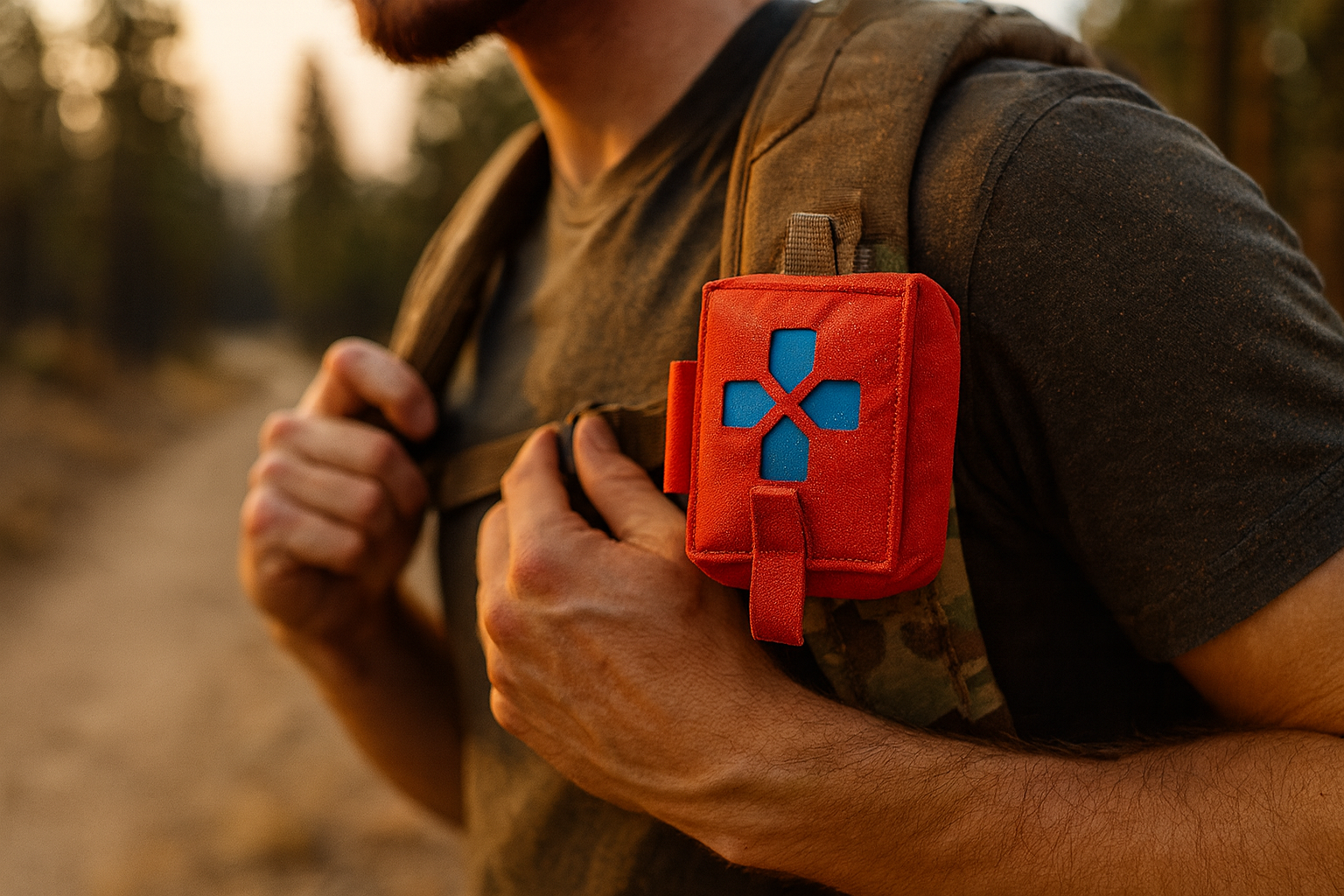
Compact Belt/Pack Option
Product: Micro Trauma Kit NOW!
- One-handed deployment
- MOLLE/belt compatible
- Perfect for sidelines or trails
Always within reach, deploys in seconds, doesn't interfere with movement.
Weather-Resistant Option
Product: Maritime Watertight Kit
For: Wet conditions, water sports, outdoor camps
- Dry-bag style, floats if dropped
- Removable treatment pouches
Comprehensive Field Kit
Product: Multi-Mission Trauma Pack
Capacity: Full team medical supplies
Best For: Tournament directors, expedition leaders, scout masters
Need help choosing? Our medical team can build a custom solution for your organization.
Get Expert RecommendationsChoose Your Path Forward


Your Questions, Honestly Answered
About Training & Skills
About The Products
Common Concerns
About Real-World Use
About Storage & Readiness
Think "accessible but secure":
-
Home: Kitchen or central hallway, not locked in bedroom
-
Vehicle: Under driver's seat or center console
-
Workplace: Near AED or fire extinguisher
-
Always: Visible to adults, secure from small children
Still have questions? Our medical team is here to help.
Contact Our Experts
Emergencies Are Unpredictable.
Preparation Is Not.
Build your hemorrhage kit.
Train deliberately.
Close the gap before you need to.

Learn
Take a class this month
Equip
Get a kit for home and car

Share
Encourage others to prepare
Trained Worldwide
of Deaths Preventable
Minutes to Act
You're All Set!
Check your email for the free bleeding control quick reference guide.
Trusted by military medics. Proven in combat. Now protecting families like yours.