


Workplace Trauma Readiness
Reduce Liability. Document Compliance. Save Lives.
Evidence-based bleeding control programs for corporate safety teams. OSHA compliance to duty-of-care documentation —we build defensible programs that reduce your risk profile.
OSHA 29 CFR 1910.151 Aligned
CoTCCC & C-TECC Aligned Guidelines
Modern Emergency Medicine Evidence-Based Protocols
Hands-On Skills Training
Physician-owned | SOF Veteran-led | Federal procurement-ready

Why Workplace Bleeding Control Matters
Uncontrolled hemorrhage is preventable. Your compliance obligations are evolving.
17%
of 2024 active shooter incidents occur in commerce locations
While commerce locations represent a significant portion of active shooter incidents, workplace violence preparedness including trauma readiness is essential.
3-4 Minutes
OSHA's response time requirement for life-threatening hemorrhage
If EMS can't respond within 3-4 minutes, trained responders and bleeding control supplies are required on-site.
Up to 20%
of trauma deaths could be prevented with optimal prehospital care
Rapid bleeding control in the first minutes is the single greatest opportunity to save lives.
6x
survival improvement with prehospital tourniquet use
88-96% hemorrhage control success rates when applied before shock develops.
The Compliance Reality
Traditional first-aid programs may not address life-threatening hemorrhage. What's changed:
- ANSI/ISEA Z308.1-2021 now includes Class B kits with tourniquets and hemostatic supplies
- OSHA expects bleeding control supplies based on hazard assessments
- Gaps trigger 29 CFR 1910.151 citations and General Duty Clause enforcement
Your exposure: Inadequate supplies + untrained responders + missing documentation = potential regulatory citations and civil liability.
Why Military-Grade Protocols Matter for Civilian Workplaces
Generic first-aid training wasn't designed for life-threatening hemorrhage. TCCC was.
Between 2001–2011, 90.9% of potentially survivable battlefield deaths were due to hemorrhage. This drives the evidence-based approach: immediate bleeding control with tourniquets, hemostatic gauze, and pressure dressings—applied in the critical early minutes.
What TCCC brings to your workplace:
Evidence-backed techniques
Refined through decades of military data and peer-reviewed protocols—not guesswork.
Time-critical focus
Prioritizes the first minutes—when intervention saves lives.
Realistic training
High-fidelity task trainers, hands‑on drills, scenario‑based assessments—not PowerPoint.
Proven civilian translation
Powers the Stop the Bleed campaign—5M+ people trained.
MED‑TAC delivers training aligned with TCCC and TECCC standards —led by physicians and SOF veterans.
The same evidence-based methodology trusted by military and elite operators—tailored for your civilian workplace.

How Documented Trauma Readiness Reduces Your Risk Profile
Demonstrate duty of care. Reduce exposure. Be audit-ready every day.
OSHA Compliance Documentation
Align with 29 CFR 1910.151: hazard assessments, responder rosters, ANSI/ISEA‑compliant kits , and inspection logs.
MED‑TAC provides: Compliance checklists, training documentation, maintenance guidance.
Defensible Incident Response
Auditors will ask: Did you have supplies? Trained responders? Documented processes?
MED‑TAC provides: Response protocols, documentation templates, skills validation guidance.
Program Scalability
Inconsistent programs across locations = compliance gaps + defense vulnerabilities.
MED‑TAC provides: Standardized curricula, consistent equipment selection, centralized documentation—scalable across your operations.
Insurance & Risk Profile
Proactive safety and trauma readiness programs influence Experience Modification Rate (EMR), workers' compensation premium calculations, and liability coverage underwriting.
MED‑TAC provides: Insurer‑aligned documentation, certifications, measurable safety improvements that reduce claim frequency and costs.
Employee & Stakeholder Confidence
Visible preparedness = recruitment, retention, and reputation asset.
MED‑TAC provides: Public access stations, quarterly drills, Train‑the‑Trainer programs.
Ready to reduce compliance risk and demonstrate duty of care?
Request Your Workplace Safety AssessmentFrom Assessment to Sustainment—We Partner at Every Stage
Comprehensive support—not just products. Compliant, scalable, sustainable programs.
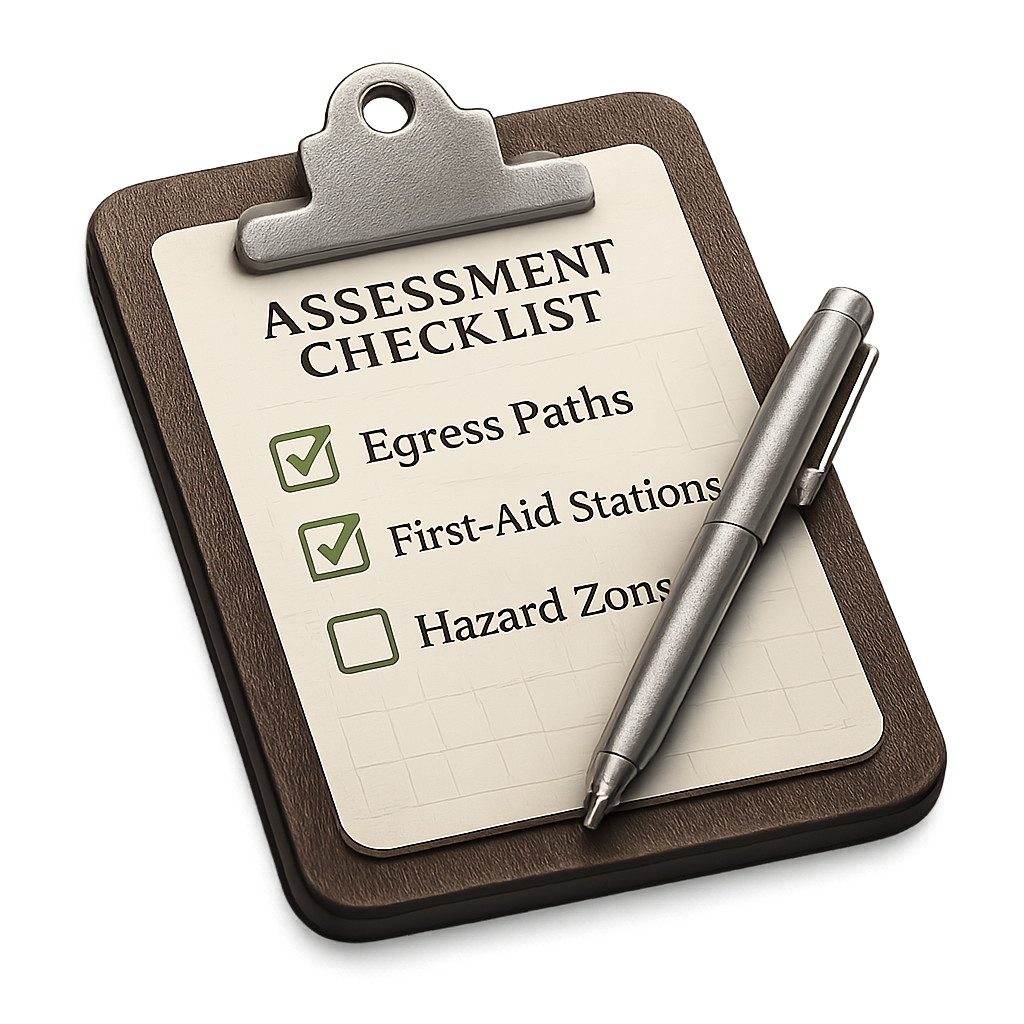
STEP 1: ASSESSMENT
Workplace Safety Assessment
What we evaluate:
- Facility type, headcount, shift patterns
- Current first‑aid capabilities and environment
- EMS response times
- OSHA compliance requirements
Deliverable: Site‑specific risk assessment, recommendations, program roadmap.
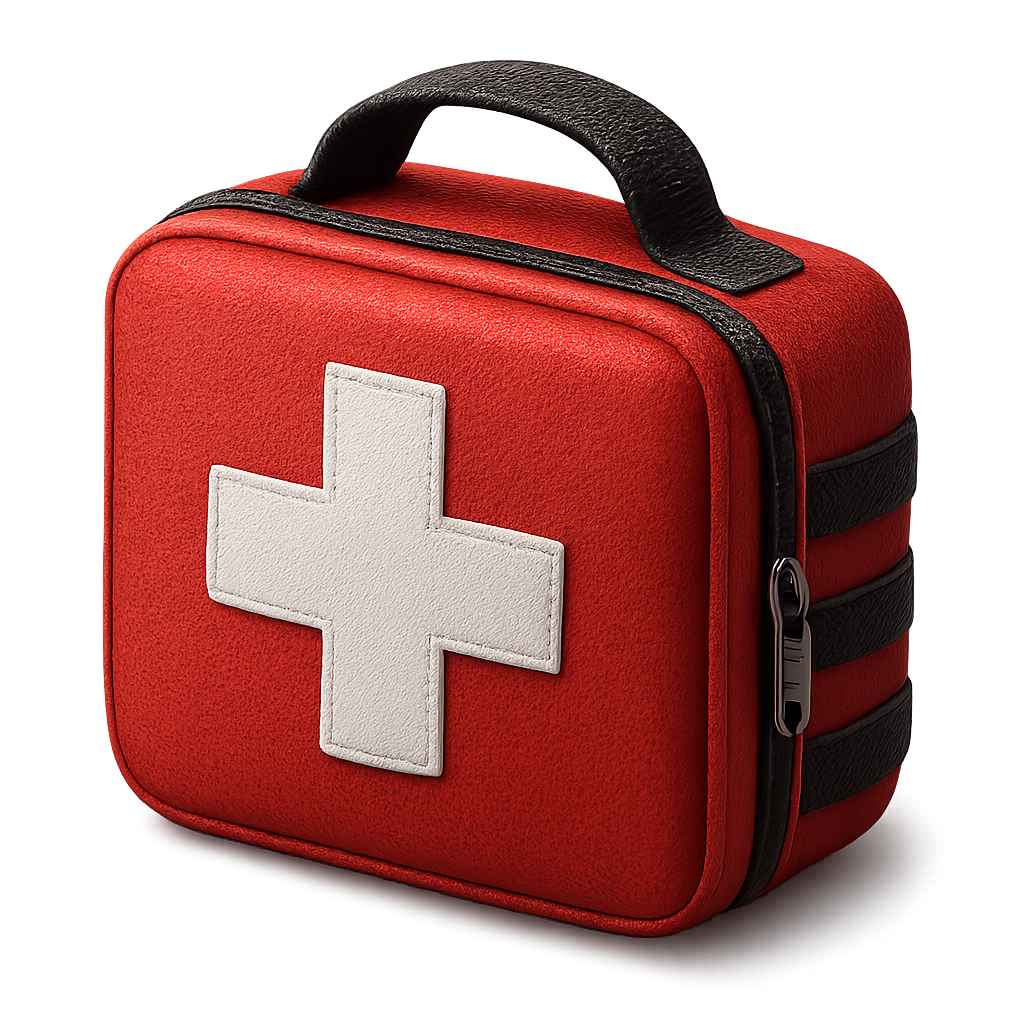
STEP 2: EQUIPMENT
Purpose‑Built Trauma Kits & Public Access Stations
What we provide:
- ANSI/ISEA Z308.1-2021 compliant kits (Class A and Class B)
- Public Access Stations for high‑visibility deployment
- Workplace‑specific trauma kits based on hazard assessment
- Resupply + expiry tracking
Deliverable: Stocked kits, placement maps, inspection schedules, restock protocols.
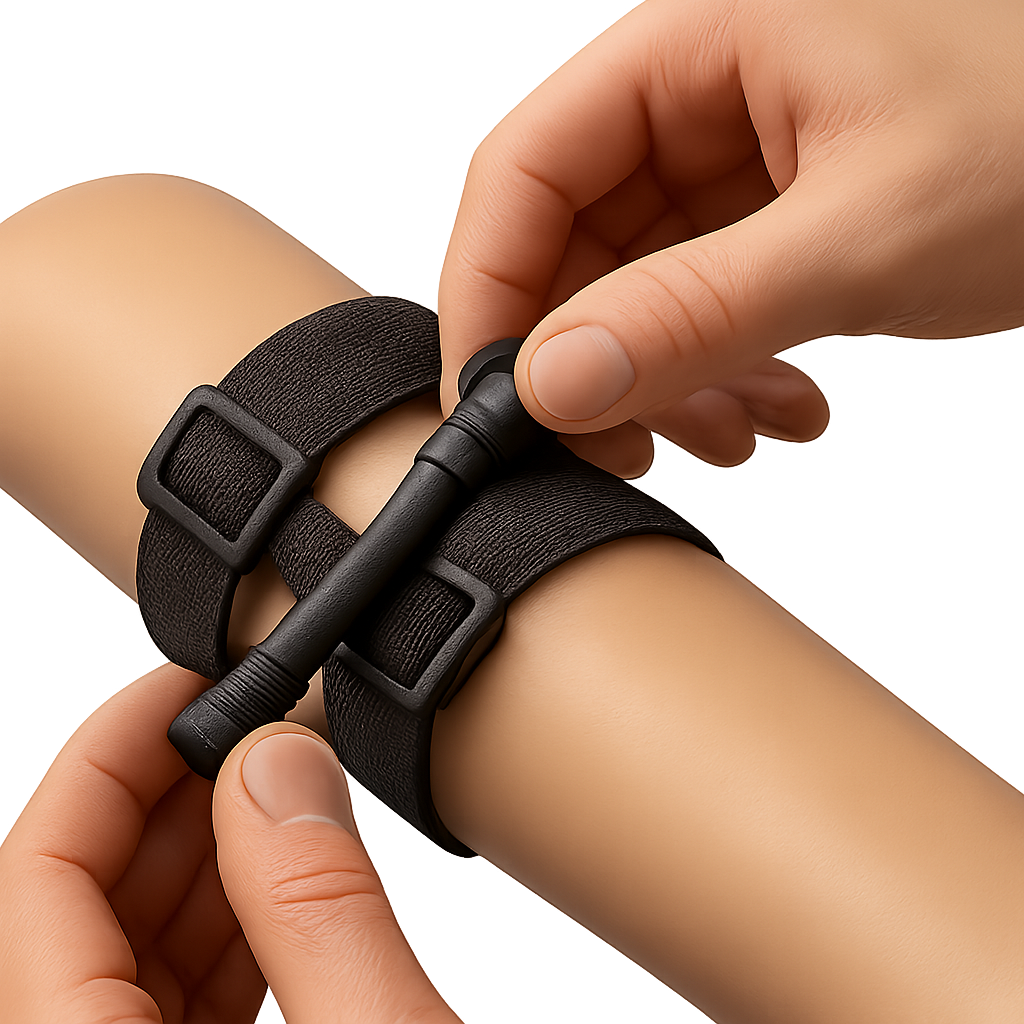
STEP 3: TRAINING
Hands‑On Skills Training & Certification
Physician‑led, SOF‑veteran instructors deliver:
- Stop the Bleed training (up to 90 minutes)
- Tactical Medicine Provider (Basic + Advanced)
- Tourniquet, wound packing, hemostatic control techniques
- Interactive drills and scenario‑based training
Deliverable: Documented training rosters, skills validation records, participant certificates, training materials.

STEP 4: DOCUMENTATION & SUSTAINMENT
Compliance Documentation & Ongoing Support
Audit‑ready documentation:
- Templated policies/SOPs aligned with OSHA 29 CFR 1910.151
- Equipment maintenance logs per ANSI/ISEA guidance
- Training records with tracking and renewal dates
- Incident response protocols + reporting templates
Deliverable: Compliance documentation package, sustainment schedule, ongoing support.
Ready to build a defensible trauma readiness program?
Request Your Workplace Safety AssessmentTailored Programs for Your Industry
Customized to your operational environment and compliance requirements.

Manufacturing
Typical Risks:
Machine contact, sharp edges, power tools, forklift injuries
MED‑TAC Approach:
ANSI Class B kits at high‑risk stations | Multi‑shift responder training | Equipment integration with safety programs | Quarterly training refreshers

Healthcare
Typical Risks:
Needlesticks, patient violence, surgical bleeding, lab handling
MED‑TAC Approach:
BBP‑compliant kits + PPE | Advanced junctional hemorrhage training | Violence prevention integration | Public access stations in lobbies | BLS/ACLS coordination

Education (K-12, Higher Ed)
Typical Risks:
Shop/CTE equipment, athletics, science labs, active threats
MED‑TAC Approach:
Public access stations in gyms, auditoriums, hallways | Staff + coach training (Stop the Bleed) | Age‑appropriate student training | Multi‑site district support | Incident notification protocols
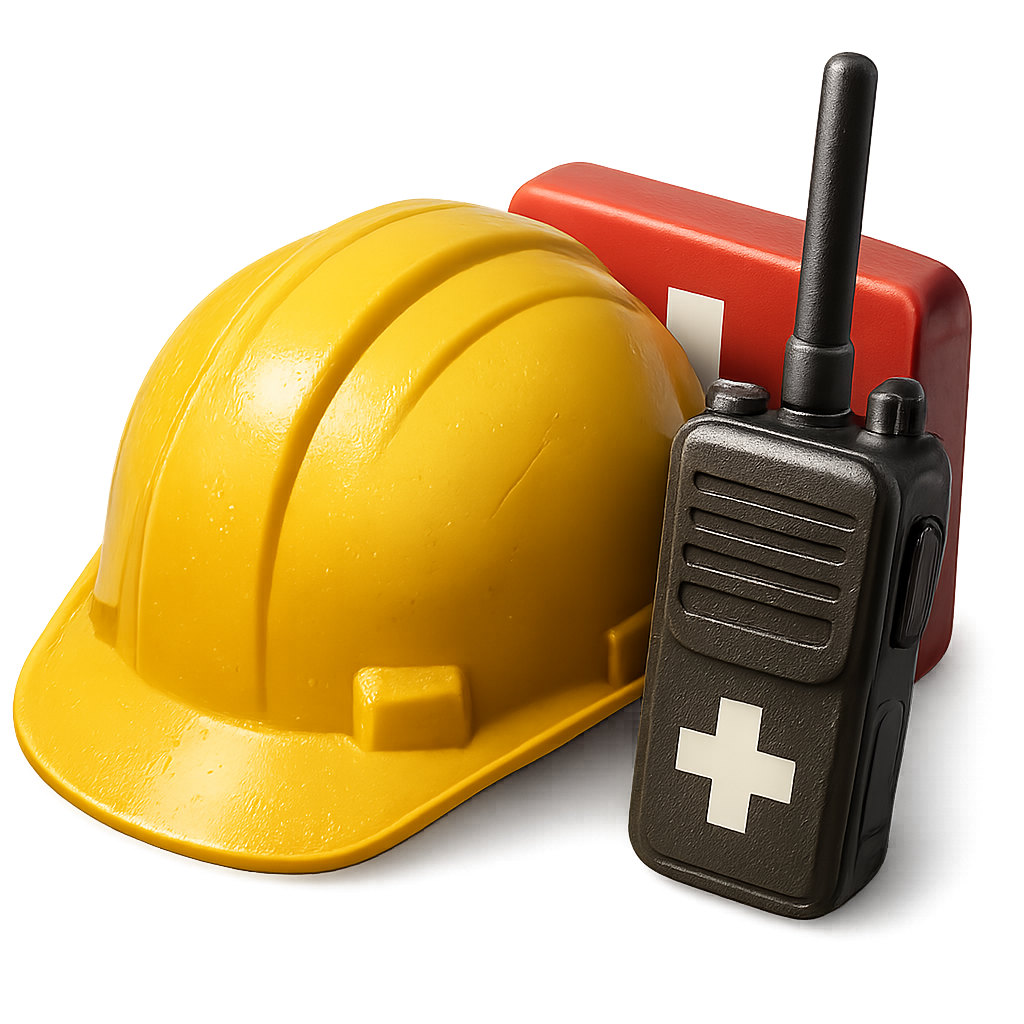
Construction & Field Operations
Typical Risks:
Saws, grinders, rebar, nail guns, remote sites with delayed EMS
MED‑TAC Approach:
ANSI‑compliant trauma kits on crew trucks | Remote‑site extended care training | Job‑specific kit selection | Response protocols for field incidents

Office & Corporate Campuses
Typical Risks:
Active threats, slips/falls, maintenance injuries
MED‑TAC Approach:
Public access stations co‑located with AEDs | Employee responder programs | Incident response integration | Comprehensive facility coverage
Not sure which approach fits your organization?
Schedule a ConsultationPhysician‑Owned. SOF Veteran‑Led. Mission‑Driven.
About MED‑TAC:
Physician‑owned, SOF veteran‑led. Our team served in elite units and Police/Fire‑EMS departments.
Our mission: Prevent deaths from survivable injuries—when responders have the right tools and training.
Our Instructors:
- US and International Military Combat Veterans
- Physicians and paramedics with combat and civilian trauma experience
- Law enforcement and Fire‑EMS professionals applying these skills daily in their communities
Training Philosophy:
- Evidence over brand loyalty—best‑in‑class equipment
- CoTCCC/C-TECC‑aligned practices + Stop the Bleed + First Care Provider + MED-TAC Elite custom protocols
- Tactical Medicine Provider courses (Basic + Advanced)
- Scenario‑driven, hands‑on, confidence under pressure
Procurement‑Ready for Institutional Buyers:
- D‑U‑N‑S Number: 062104912
- SAM Entity ID: YU3ZMJ44REA5
- CAGE Code: 9VFL3
- W‑9 and Representations/Certifications documentation available
Federal, state, and municipal procurement officers: we're ready to support your contracting workflows.
Why Organizations Choose MED‑TAC:
-
Expertise that translates
Evidence‑based protocols adapted for civilian workplace realities
-
Scalable across facilities
Standardized training and equipment selection across your organization
-
Comprehensive partnership
Assessment through ongoing support across the entire program lifecycle


Frequently Asked Questions
Answers to common questions from corporate safety officers and risk managers.
A: Standard first‑aid focuses on minor injuries, CPR, AEDs—not life‑threatening hemorrhage.
TCCC‑aligned training covers tourniquet application, wound packing, hemostatic gauze, and pressure techniques—proven to stop severe bleeding in minutes. Based on decades of military evidence and now the civilian standard via Stop the Bleed.
Our programs work alongside your existing safety protocols.
A: OSHA 29 CFR 1910.151 requires "adequate first aid supplies" based on workplace hazards. ANSI/ISEA Z308.1 now includes Class B kits with tourniquets for higher‑risk environments.
If your workplace risks severe injuries (amputations, machinery lacerations, penetrating trauma)—OSHA expects Class B kits and tourniquet training.
Documented readiness reduces liability under OSHA's General Duty Clause and in civil litigation.
A: OSHA interprets "near proximity" as 3‑4 minutes for potentially life‑threatening emergencies.
Reality: EMS response time from dispatch to arrival averages 7 minutes nationally (median), with a mean of 7.9 minutes, and up to 13+ minutes in rural areas (90th percentile reaching 26 minutes).
Uncontrolled arterial hemorrhage can be fatal in minutes—often 3–5 minutes depending on the artery and wound severity. Bystander intervention is the difference between life and death.
Close proximity to a hospital does not eliminate OSHA compliance obligations or reduce your organization's liability exposure.
A: The opposite. Failing to provide readiness when hazards are foreseeable creates greater liability.
• Good Samaritan protections exist in most U.S. states for responders who provide emergency first aid in good faith.
• A documented training program + clear protocols + proper equipment = reduced risk under OSHA and General Duty Clause enforcement
Auditors will ask: "Did you prepare for foreseeable emergencies?" Your program demonstrates that you did.
A: Depends on scope:
• Stop the Bleed: up to 90 minutes
• Tactical Medicine Provider – Basic: 16+ hours / 2 days
• Advanced training: Customizable based on your needs
• Quarterly refreshers: 10-15 minutes
A: Yes. We can tailor programs across multiple locations with standardized curricula and equipment.
1. Assessment of each site's needs
2. Standardized equipment across locations
3. Facility‑specific training for each location
4. Centralized documentation for compliance
5. Ongoing support for refreshers + compliance
We work with organizations of all sizes.
A: Yes. Every program includes:
• Training rosters (names, dates, completion dates)
• Skills validation + competency sign‑offs
• Equipment inspection logs
• OSHA‑aligned policies and SOPs
• Incident response templates
• Ongoing compliance support for audits
Support for OSHA inspections, insurance audits, and compliance reviews.
A: Manufacturing | Healthcare | Education | Construction | Corporate campuses | Government | And others
Each program tailored to your facility's specific hazards and regulatory environment.
A: Workplace Safety Assessment.
We'll discuss:
• Facility profile + operations
• Current first‑aid capabilities
• Hazard profile for your environment
• Training and equipment needs
Tailored proposal with equipment, training, timeline, and compliance support.
Request Your AssessmentGet Your Workplace Safety Assessment
Complete the form below. A MED‑TAC advisor will contact you within 1 business day.
Please fill in all required fields.
Thank You!
Your assessment request has been submitted. A MED‑TAC advisor will contact you within 1 business day.