Chest Seals in Thoracic Trauma
Chest seals are critical life-saving tools for treating open chest wounds (sucking chest wounds) that disrupt the negative pressure needed for normal breathing.
When air enters the pleural space through a penetrating injury, it prevents the lung from fully expanding and may lead to a tension pneumothorax — a life-threatening condition if not addressed promptly.
Properly applied chest seals restore intrathoracic pressure balance and allow the injured lung to re-expand, buying vital time until definitive care or decompression is available.
1. Vented Chest Seals
Clinical Rationale (Vented):
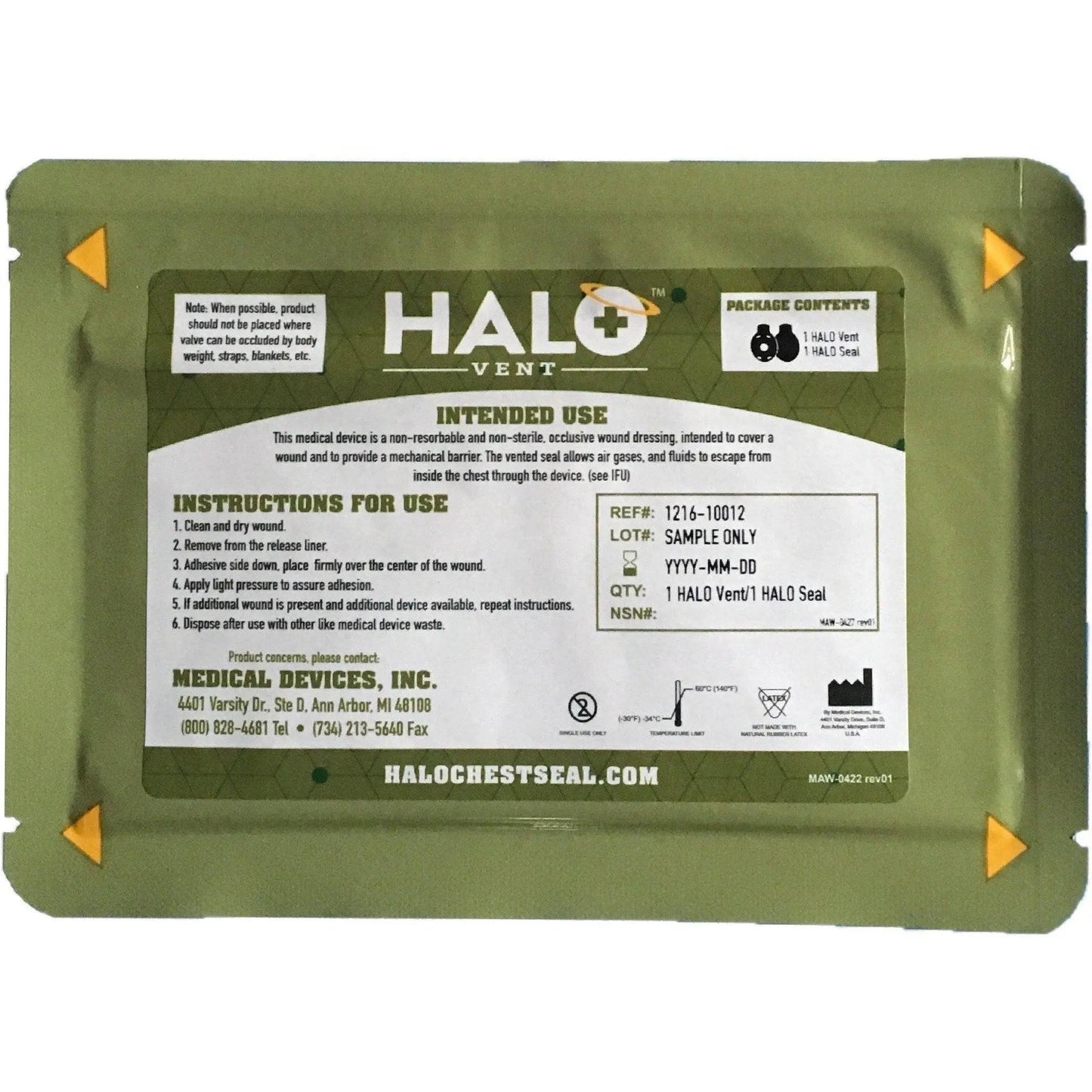
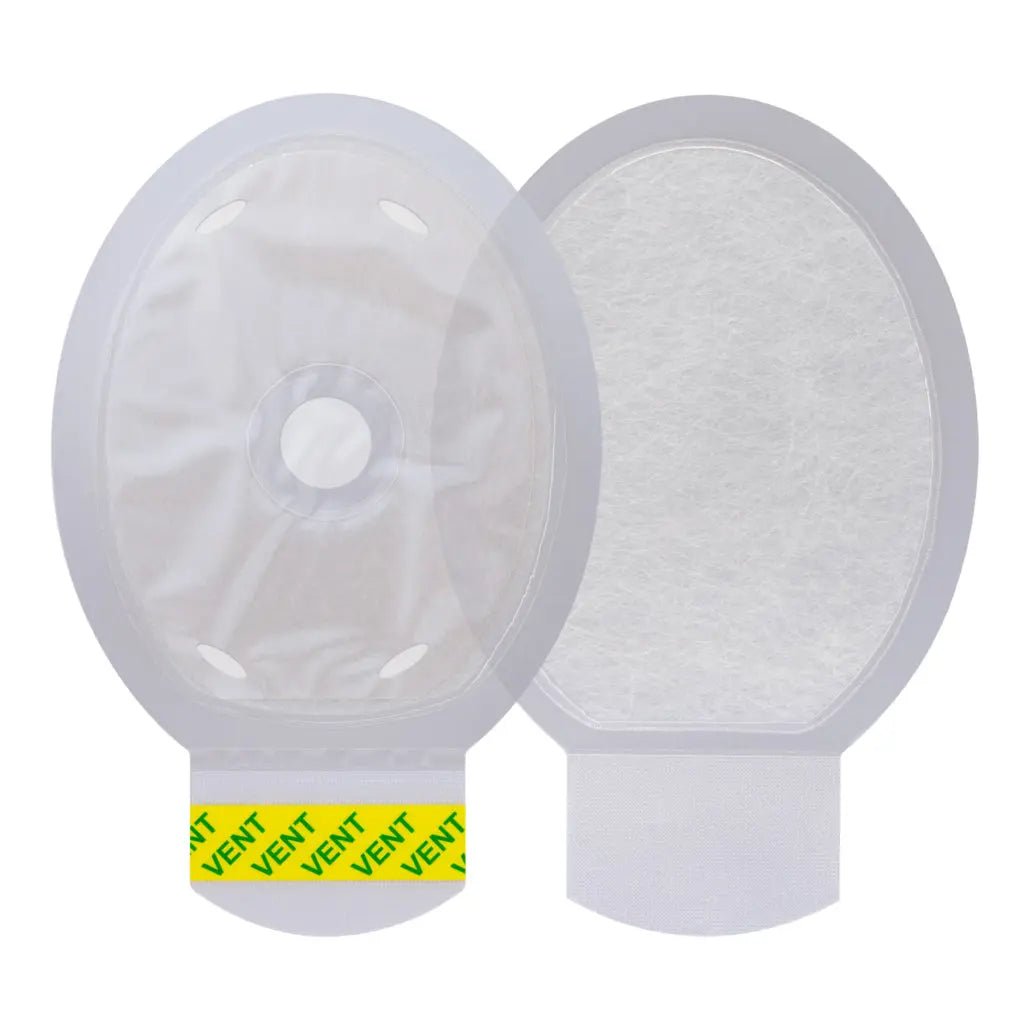
Vented chest seals feature one-way valves or channels that allow trapped air and fluids to escape from the chest cavity while preventing further air entry.
This controlled venting mechanism reduces the risk of developing a tension pneumothorax and is recommended by the Committee on Tactical Combat Casualty Care (CoTCCC) for most open thoracic injuries when the vent remains unobstructed.
In tactical and emergency medical settings, vented seals maintain proper intrathoracic pressure dynamics and help stabilize respiration during evacuation.
- Allows air and blood to escape while blocking additional air entry
- Recommended by CoTCCC for most penetrating chest wounds
- Prevents progression to tension pneumothorax
- Effective during movement and transport phases
2. Non-Vented Chest Seals
Clinical Rationale (Non-Vented):
Non-vented chest seals provide a fully occlusive barrier that prevents any external air from entering the pleural cavity.
These are preferred when environmental factors — such as dust, debris, heavy clothing, or complex wound locations — could obstruct a vent or prevent it from functioning properly.
Non-vented models are especially effective when there are multiple wounds or when both sides of the chest are compromised.
- Creates an airtight seal to stop further air intrusion
- Ideal for contaminated or complex wound environments
- Preferred for posterior or multiple thoracic injuries
- Simple and reliable under stress conditions
3. Twin Pack / Dual Application
Clinical Rationale (Twin Pack):
Twin chest seal packs are designed for simultaneous coverage of entry and exit wounds or multiple penetrating thoracic injuries.
Applying seals to both anterior and posterior wounds prevents air intrusion from either side and ensures consistent intrathoracic pressure stabilization.
This configuration allows medics and responders to treat through-and-through injuries quickly and efficiently without improvisation.
- Enables rapid treatment of entry and exit wounds
- Maintains consistent chest pressure across both sides
- Optimized for tactical and prehospital trauma management
- Reduces need for multiple packages or improvised seals
4. Training Chest Seals
Clinical Rationale (Training):
Training chest seals replicate the adhesive strength and venting design of operational models using non-sterile materials.
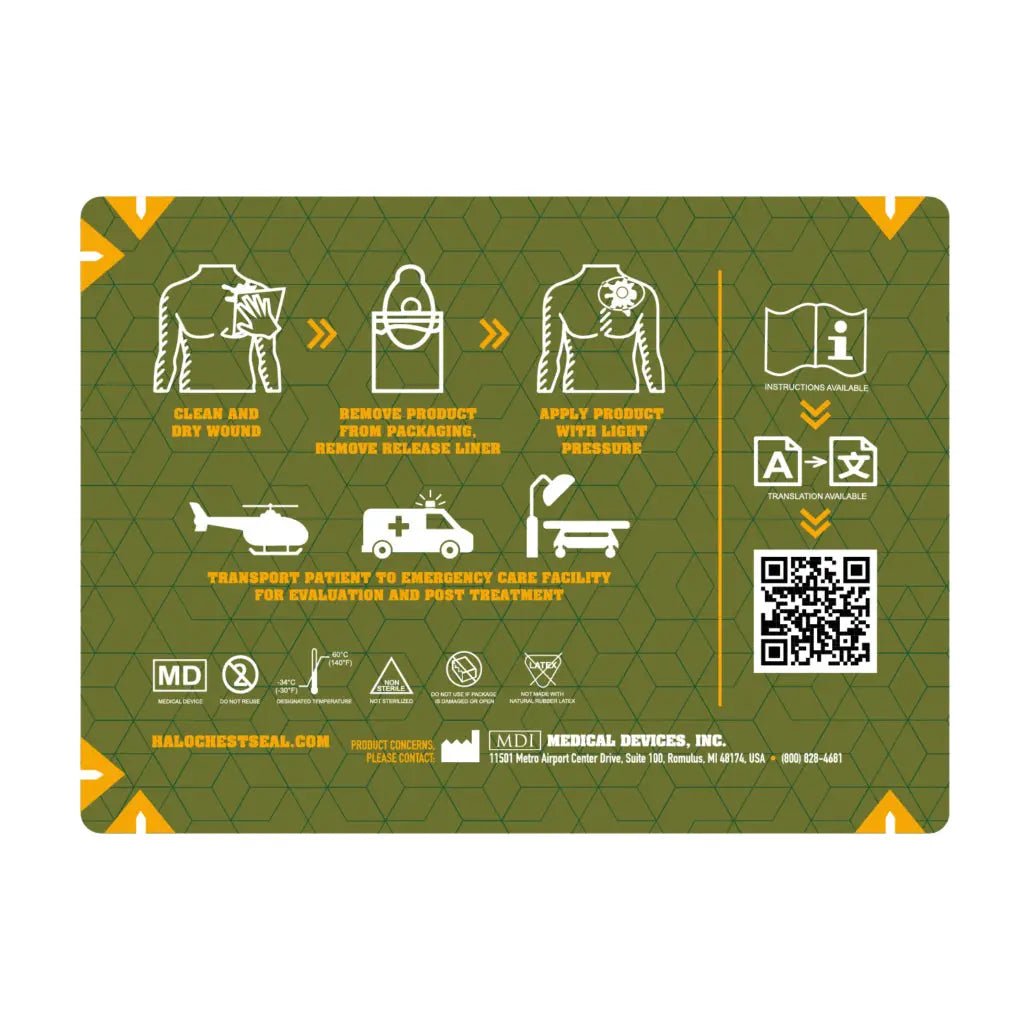
They are intended for classroom, simulation, and scenario-based instruction, allowing responders to practice correct placement, adhesion, and vent inspection without wasting live medical gear.
Consistent repetition with realistic trainers develops muscle memory and speed during actual trauma incidents.
- Simulates vented or occlusive seal behavior for realistic training
- Promotes correct placement and adhesion technique
- Preserves sterile operational supplies
- Ideal for EMT, tactical, and civilian responder courses
Clinical Summary
Chest seals play a pivotal role in preventing death from tension pneumothorax, one of the leading causes of preventable trauma mortality.
Both vented and non-vented designs serve distinct operational needs, while twin and training packs ensure preparedness across all care phases — from education to battlefield or civilian emergencies.
- Vented: Allows controlled egress of trapped air; standard CoTCCC-recommended choice.
- Non-Vented: Fully occlusive; best for debris-rich or posterior wound sites.
- Twin Pack: Provides coverage for through-and-through injuries.
- Training: Non-sterile practice tool for skill retention and readiness.
By re-establishing chest wall integrity and controlling air movement, chest seals restore lung expansion and stabilize respiratory mechanics until advanced medical care is available.