


Naloxone Response: Carry It. Save a Life.
OTC-available naloxone and duty-grade carry solutions for law enforcement, schools, workplaces, and families. Medical SME Veteran-Led guidance for every setting.
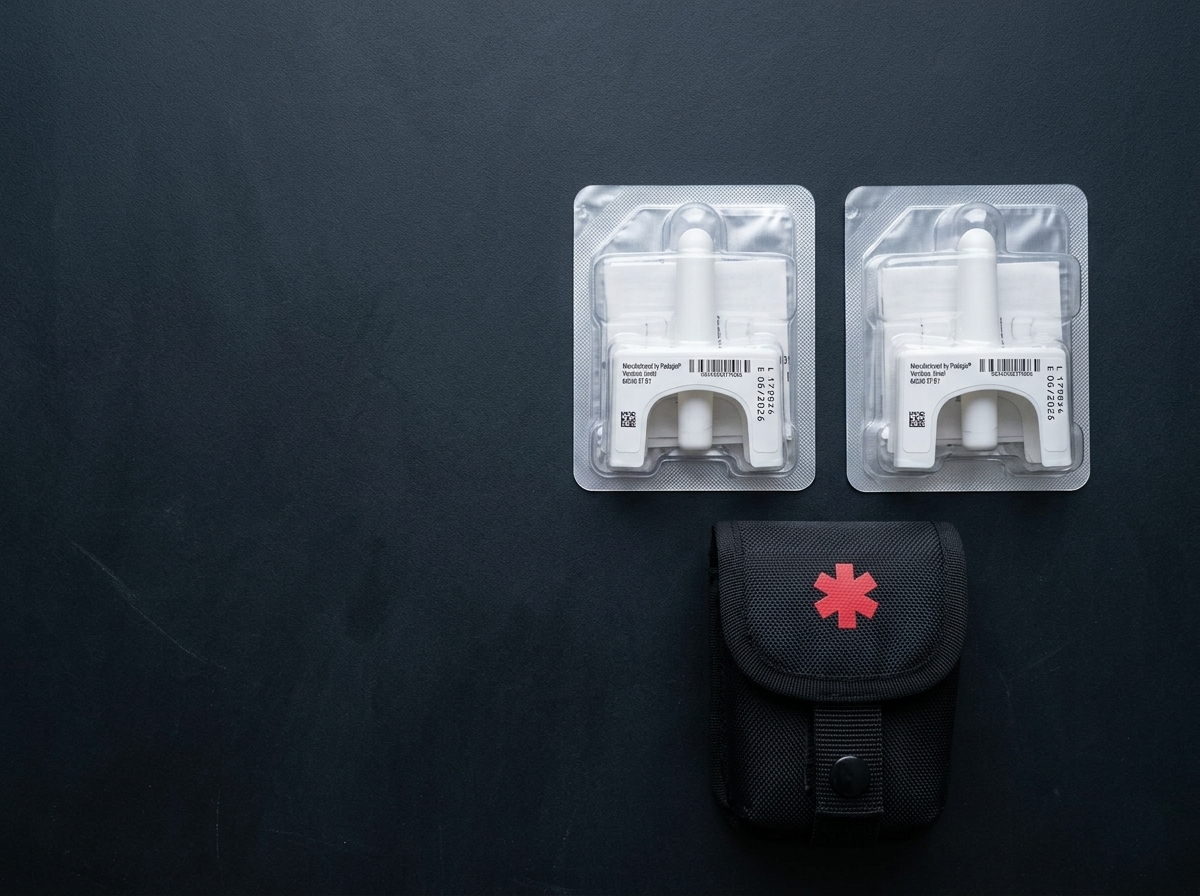

"Naloxone doesn't enable addiction. It enables survival."
Understanding Naloxone: OTC vs. High-Dose Prescriptions
| OTC Narcan (4mg) | Prescription (Kloxxado 8mg / Zimhi 5mg) |
|---|---|
| No prescription needed | Requires medical authority |
| Community/bystander/LEO use | Severe fentanyl / clinical settings |
| May require 2+ doses for fentanyl | Often single-dose reversal |
| Lower precipitated withdrawal risk | Severe withdrawal, aspiration risk, re-overdose cycle |
| Best for: General carry, schools, families | Best for: ALS/EMS, clinical protocols |
Higher dose is not always better.
- Aspiration Risk: High-dose naloxone can trigger violent precipitated withdrawal (projectile vomiting in a semi-conscious patient).
- Re-Overdose Cycle: Patients revived in agonizing withdrawal often seek more opioids immediately. Naloxone's short half-life (30-90 min) means the next dose can be fatal.
CRITICAL: This Is How People Die in Custody
A subject is revived with naloxone, appears to recover, and is left alone in a cell or back of a car. The drug wears off in 30–90 minutes — but the opioid (heroin, fentanyl, methadone) is still in their system. Respiratory depression returns. They re-overdose and die unmonitored.
They can re-overdose after it wears off. EMS must evaluate every case.

Deployment Methodology: How to Carry
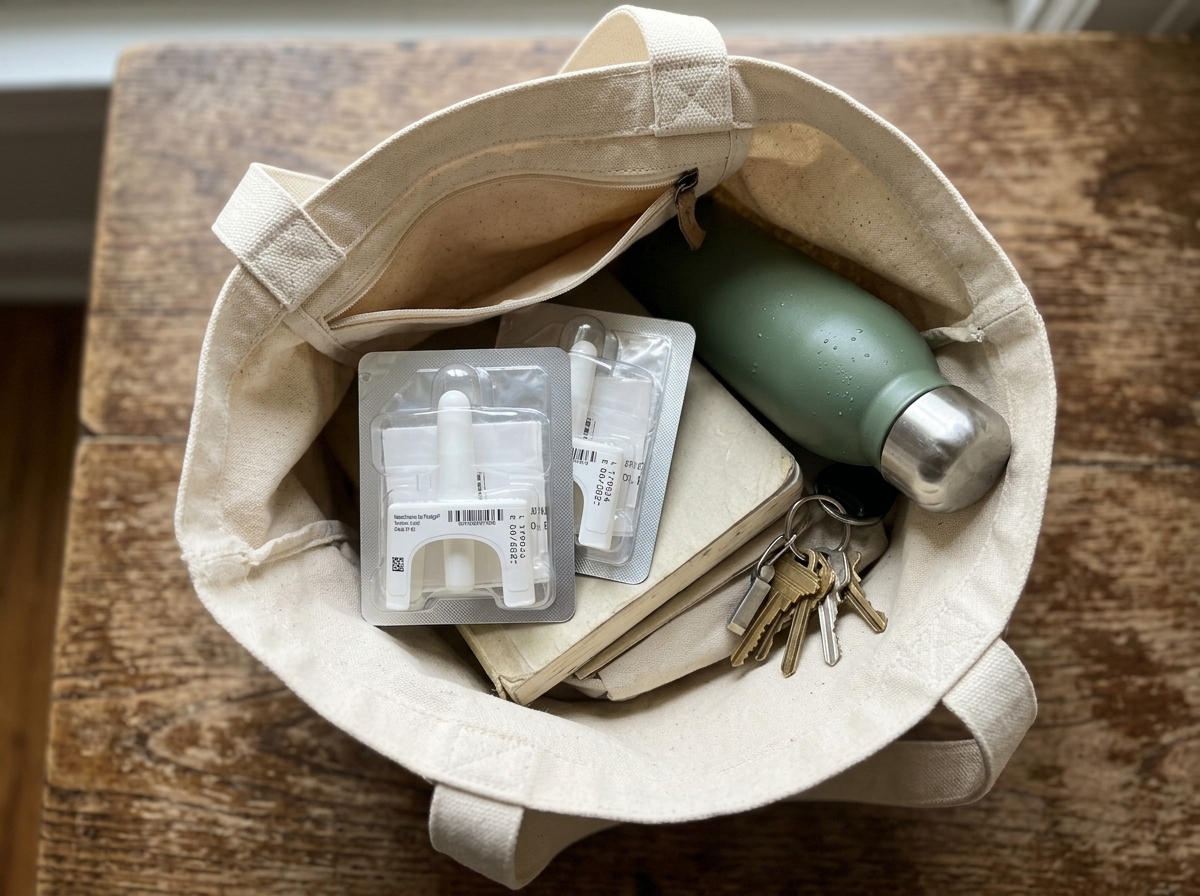
Tier 1 — Individual Carry
Naloxone Twin Pack alone for pocket or bag drop-in.
Ideal Buyer: Family, civilian, office worker.

Tier 2 — Duty Carry
Rigged spray plus holster mounted on a duty belt or MOLLE vest. Ready for immediate kinetic intervention.
Ideal Buyer: LEO, SRO, firefighter, EMS.

Tier 3 — Station / Kit Integration
Naloxone seamlessly integrated into trauma kits, wall-mounted stations, or nursing cabinets.
Ideal Buyer: School nurse station, workplace first aid, fire apparatus.
Fentanyl Exposure: Facts vs. Fear
The Myth vs. The Science
The Myth: "Touching fentanyl powder can kill you." (Originated from the DEA's June 2016 Roll Call video, which was quietly removed from DOJ platforms).
The Science: Dry fentanyl powder cannot penetrate intact skin (stratum corneum barrier). It is non-volatile and cannot become an airborne gas. There are zero documented cases of occupational fentanyl poisoning from passive dermal or airborne exposure (ACMT and American Academy of Clinical Toxicology systematic review).
The Fact: CBP Senior Medical Adviser Dr. David Tarantino stated: "One myth is that just touching any amount of fentanyl is likely to cause severe illness or injury or even death. It's just not true."
The Nocebo Effect — When Fear Creates Real Symptoms
- Statistic: 80% of surveyed public safety officers falsely believe they can die from brief dermal exposure.
- The Actual Opioid Toxidrome: DEPRESSED breathing, pinpoint pupils, loss of consciousness.
- The Panic Response: RAPID breathing, racing heart, dizziness, rigid body — the physiological OPPOSITE of opioid overdose.
- Case Reality: Documented structural panics (e.g., East Liverpool PD 2017) were determined by clinical toxicologists to be biologically impossible transdermally. They were psychogenic events.
- Critical Operational Priority: Fear-based delays kill patients. Officers who believe they'll overdose from proximity delay administering life-saving naloxone.
Real Risks vs. Myths
Real Risk (Take Action)
- Needlestick / open wound contact
- Mucous membrane transfer (eyes/nose/mouth)
- Ingestion
Myth (Disregard)
- Dry powder on intact skin
- Breathing ambient air near powder
- Casual proximity to powder
PPE Reality Check
- The Medical Standard: Standard nitrile exam gloves are 100% sufficient for routine response. Gloves prevent mechanical transfer (rubbing eyes/mouth), not skin absorption.
- The Truth About "Anti-Fentanyl" Gear: "Fentanyl-resistant" gloves often market using ASTM D6978-05 (a chemotherapy standard) to charge a premium. Medical consensus indicates no scientific necessity for these.
CRITICAL DECON RULE: NEVER use alcohol-based hand sanitizer on suspected fentanyl powder. Alcohol is a permeation enhancer — wash with soap and water only.
Free quick-reference card — print, laminate, carry.
The Legal & Regulatory Landscape
OTC Status: Narcan 4mg nasal spray available without prescription since March 2023.
Good Samaritan Laws: All 50 states + DC protect naloxone administrators from civil and criminal liability.
State School Mandates: IL, FL, AR, GA, RI, MD, NJ, MN, NC, WA, CA, TX require or recommend school stock.
LEO Carry Mandates: ME (statewide), MN, IL require patrol carry; AR requires SRO carry. (Special note for Kansas: Explicitly protects expired naloxone use up to 10 years past expiration).
Federal Grant Funding: Programs like SAMHSA FR-CARA, CDC OD2A, DOJ COSSUP mean agencies can often procure at zero cost.
Compliance Resources
Standardizing the Response: MARCH Protocol

The Goal: Restore Breathing — Not Consciousness
- The endpoint is spontaneous respiration, not arousal. Titrate to breathing — groggy-but-breathing is a win. Forcing full arousal is what triggers violent withdrawal.
- Hypoxia: Opioids kill the brainstem respiratory drive. Breathing stops. Blood-oxygen collapses. The brain is the most oxygen-hungry organ — it malfunctions in minutes, then sustains permanent injury. You rarely know how long the patient was down.
- Altered Mental Status (AMS): Ranges from confusion to combativeness to unresponsiveness. A hypoxic brain doesn't reboot cleanly. Expect agitation or combativeness on reversal — compounded by precipitated withdrawal. This is a clinical sign, not misbehavior, and not evidence the patient is "fine."


