





IFAK Kits: The Definitive Guide to Individual First Aid Kits in 2026
A "tacti-cool" pouch filled with unrated gauze is just expensive dead weight when you're facing a femoral artery bleed. Professional operators understand that 90% of preventable deaths on the battlefield result from uncontrolled hemorrhage, yet many ifak kits sold today prioritize aesthetics over the CoTCCC guidelines required for survival. You need a medical solution that functions under a 140 BPM heart rate without compromise. Reliability isn't a luxury; it's the baseline for any life-saving intervention.
Beyond immediate survival, the long-term recovery from such traumatic injuries is a significant area of scientific research. For those in laboratory settings exploring advanced compounds for tissue repair, substances like BPC-157 5mg are a key area of focus.
This mission-driven guide empowers you to build or buy a professional-grade medical setup. You'll gain the technical knowledge to move past marketing hype and secure equipment that meets the rigorous 2026 standards for tactical medicine. We'll analyze the critical integration of the MARCH algorithm, vet the latest field-proven hardware for extreme durability, and provide a definitive checklist for a CoTCCC-compliant trauma kit that won't fail when a life is on the line.
Key Takeaways
- Understand the critical shift from basic first aid to TCCC-compliant trauma systems designed for modern high-threat environments.
- Learn to utilize the MARCH algorithm to prioritize life-saving medical interventions under extreme stress.
- Compare mission-specific configurations to identify the most effective ifak kits for law enforcement, military, or civilian carry.
- Optimize gear placement and mounting solutions to ensure rapid, one-handed accessibility when seconds determine survival.
- Discover how to identify counterfeit components and why veteran-vetted gear is essential for dependable field performance.
What is an IFAK Kit and Why Does It Matter in 2026?
An Individual First Aid Kit (IFAK) is a specialized medical system engineered for life-threatening trauma. Unlike a general What is an IFAK Kit might traditionally suggest, these modules are built for the point of injury. In 2026, the landscape of tactical medicine prioritizes rapid intervention for injuries that lead to death within minutes. We follow Tactical Combat Casualty Care (TCCC) protocols because they're proven in high-threat environments. These standards dictate that medical gear must be accessible, durable, and evidence-based. There's no room for guesswork when an operator is bleeding out.
Statistical evidence from the Department of Defense shows that preventable hemorrhage remains the primary cause of death on the battlefield. CoTCCC data confirms that 90% of combat fatalities occur before a casualty reaches a surgical suite. Of those deaths, roughly 24% are survivable if the right tools are applied instantly. This reality makes ifak kits the most essential component of any loadout. You aren't preparing for a minor abrasion; you're preparing for a catastrophic arterial bleed that can cause unconsciousness in 60 seconds. Every second saved in deployment translates directly to a higher probability of survival. In a high-stress environment, your gear must function without hesitation.
The "Operator First" philosophy governs how these kits are deployed. Your kit is for your body. If you're wounded, a teammate or bystander will pull the gear from your pouch to treat you. This protocol ensures that every member of a team maintains their own full supply of life-saving components. It eliminates the chaos of searching for gear during a high-stress medical intervention. You carry the tools for your own survival, and you must know where they are at all times. Standardized placement on a belt or plate carrier is not a suggestion; it is a tactical necessity for team integrity.
The Evolution of Tactical Medical Gear
Tactical gear has seen a total transformation since the 1960s. Vietnam-era jungle kits were bulky and prone to rot. Modern 2026 systems use vacuum-sealed modules and high-denier Cordura. Professionals insist on Berry Amendment and TAA compliance to ensure every component meets rigorous military specifications. While mass-market ifak kits might look the part, they often feature substandard plastics that fail under the 150 pounds of pressure required for arterial occlusion.
IFAK vs. General First Aid Kits
General first aid kits focus on comfort. They contain items like ibuprofen and small bandages. A true IFAK is trauma-centric and omits these non-essentials to save space. You won't find aspirin or band-aids in an IFAK because they don't address the MARCH algorithm. An IFAK is a specialized trauma system designed specifically to mitigate massive hemorrhage and maintain a patent airway in the critical minutes following a catastrophic injury.
The Anatomy of a Professional IFAK: Essential Components
A professional Individual First Aid Kit is not a random collection of bandages. It follows the MARCH algorithm, a protocol developed by the Committee on Tactical Combat Casualty Care (CoTCCC) to address the leading causes of preventable death on the battlefield. Effective ifak kits prioritize interventions based on the speed of lethality. Massive hemorrhage can kill a patient in under 180 seconds; tension pneumothorax takes longer but is equally fatal if ignored. Every component must serve a specific phase of this clinical sequence. Professional operators don't carry gear they haven't mastered.
The "M" in MARCH stands for Massive Hemorrhage. This is the first priority. "A" addresses the Airway, "R" covers Respiration, "C" involves Circulation, and "H" focuses on Hypothermia and Head injuries. By adhering to this hierarchy, an operator ensures that life-saving resources are applied where they'll have the greatest physiological impact. High-quality medical gear must be accessible and staged for one-handed deployment under stress. If you can't reach your tourniquet with either hand in five seconds, your kit layout has failed.
Primary Hemorrhage Control Tools
Tourniquets are the cornerstone of any kit. The Combat Application Tourniquet (CAT) Gen 7 remains the gold standard due to its single-handed windlass system. However, the SOF Tactical Tourniquet (SOF-T) offers a rugged alternative with a metal windlass that doesn't degrade in extreme temperatures. Selection is mission-critical; a failure here is catastrophic. For junctional wounds where a tourniquet cannot reach, hemostatic gauze like QuikClot Combat Gauze or Celox Rapid is required. These agents utilize kaolin or chitosan to accelerate the clotting cascade within 60 seconds of application. While the 2026 tactical landscape sees new tech, the 6-inch Israeli Bandage remains a staple for its ability to apply 30 pounds of pressure directly to a wound site. For those adapting these tools to Civilian Configurations, the focus remains on rapid, high-pressure occlusion.
Managing the "Kill Zone": Airway and Chest Trauma
Penetrating chest trauma requires immediate occlusion to prevent a tension pneumothorax. Vented chest seals, such as the HyFin Vent Twin Pack, are preferred because they allow air to escape the pleural cavity while preventing it from entering. Non-vented seals are less common now, used primarily when a vent is unavailable or for exit wounds. Airway management involves the Nasopharyngeal Airway (NPA). Sizing is vital; a 28 French is the standard for most adult males. Always include water-based lubricant to prevent mucosal damage during insertion. Decompression needles, specifically the 14-gauge 3.25-inch variants, are restricted to advanced providers. Attempting needle thoracostomy without 40 hours of specialized training can cause lethal damage to the heart or great vessels.
Circulation and Hypothermia management round out the kit. Once bleeding is controlled, the operator must address shock. Use a durable emergency blanket to prevent the "lethal triad" of acidosis, coagulopathy, and hypothermia. Even in 90-degree environments, a trauma patient losing blood will lose core body heat rapidly. A professional ifak kits configuration ensures the patient survives the flight or the drive to a Level 1 trauma center. Every second saved during the initial intervention increases the probability of survival by 15 percent in the first hour of care.

Comparing IFAK Kits: LE, Military, and Civilian Configurations
Mission profiles dictate the size-to-capability ratio of medical gear. Effective ifak kits balance internal volume with a manageable external footprint. A standard 6" x 6" pouch offers approximately 36 square inches of surface area on a plate carrier; however, this same footprint is unusable for a plainclothes officer or a civilian in an office environment. Selection must follow the MARCH medical algorithm. Massive hemorrhage requires immediate, one-handed access. Airway and Respiration interventions follow once the bleed is controlled. The equipment must be reachable with either hand, as injury often renders one limb useless.
Law Enforcement Patrol IFAKs
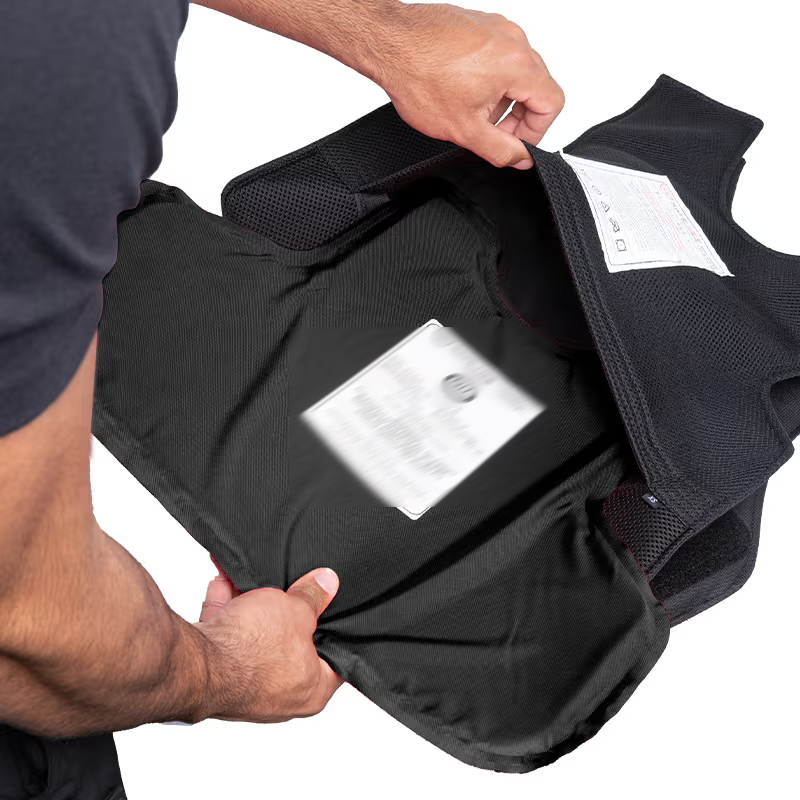
Patrol officers face severe space constraints. The average duty belt carries 15 to 20 pounds of equipment. This weight burden has pushed 35% of modern departments toward ankle-mounted trauma kits. These low-profile systems ensure the officer carries a windlass tourniquet, hemostatic gauze, and a chest seal without interfering with their sidearm or radio. Rapid access is the priority. During active shooter responses, an officer has approximately 60 to 90 seconds to address a femoral bleed. Integration with soft body armor requires kits that don't create ergonomic imbalances during a 12-hour shift. Many officers now utilize "hanger" pouches that suspend the kit below the front ballistic panel for centralized access.
Military and Combat Medic IFAKs
Military operations demand higher capacity and extreme durability. The standard has evolved based on data from the Joint Trauma System. Current field requirements emphasize redundant tourniquets. One is placed on the kit, and another is often mounted on the uniform. The U.S. Army's IFAK II serves as the baseline for these high-capacity systems. It includes specialized tools like strap cutters and eye shields that aren't typically found in civilian kits. Military ifak kits utilize tear-away backing. This allows a soldier to rip the entire pouch off its MOLLE mount to perform buddy-aid. This design reduces the time to intervention by 15 to 20 seconds compared to fixed pouches. These systems use 1000D Cordura to survive the abrasion of sustained field operations through 2026 and beyond.
Prepared Civilian and EDC Trauma Kits
For the civilian, the best kit is the one actually carried. Bulky tactical pouches fail the everyday carry test. EDC trauma kits focus on the most critical 1% of medical emergencies. This usually means a tourniquet, hemostatic agent, and gloves. Pocket-sized kits are designed to be less than 0.75 inches thick. This allows them to fit in a standard jean pocket or a laptop bag. While these kits lack the depth of a medic bag, they provide the essential tools to bridge the gap until EMS arrives. Data shows that bystander intervention within the first 5 minutes of a traumatic event increases survival rates by over 40%. The civilian profile prioritizes concealment and immediate accessibility over sustained care capabilities.
- LE: Belt or ankle mounted; focuses on self-aid and rapid deployment.
- Military: Plate carrier integrated; focuses on buddy-aid and high-volume trauma.
- Civilian: Pocket or bag carried; focuses on concealment and "Stop the Bleed" essentials.
Accessibility and Deployment: The Operator’s Carry Guide
Tactical medicine functions on a timeline where seconds dictate survival. Arterial hemorrhaging can lead to unconsciousness within 60 seconds and death in under 180 seconds. You must access your medical gear instantly. Muscle memory, developed through repetitive dry-fire medical drills, ensures you don't hunt for equipment when fine motor skills fail. Choosing the right mounting hardware for ifak kits determines how quickly you can transition from engagement to medical intervention.
Mounting options define your response speed. MOLLE attachments on a plate carrier provide stability but limit the kit to high-threat configurations. Belt-mounted systems offer 24/7 carry capability for patrol or range environments. Ankle rigs serve as a secondary or low-profile solution for plainclothes operations. Regardless of the platform, you must ensure ambidextrous access. If your dominant arm is incapacitated, your off-hand must be able to reach the tourniquet and hemostatic gauze. Centralized placement at the 6 o'clock or 12 o'clock position on the belt is the gold standard for self-aid.
Marking your gear is non-negotiable for team interoperability. Use a high-visibility Red Cross or "MED" patch for civilian or law enforcement roles where identification is paramount. In low-light or covert military environments, utilize IR glint tape or subdued PVC patches. These identifiers allow a teammate to locate your life-saving tools during the Tactical Field Care phase. Clear markings reduce the cognitive load on a responder who is already operating under extreme stress.
Tear-Away vs. Fixed Pouch Systems
Rip-away pouches allow the operator to detach the entire kit from its hook-and-loop base. This facilitates buddy-aid by allowing you to hand the kit to a medic or work with it in your own lap. Fixed pouches offer superior retention during vehicle egress or high-speed movement. Cable management inside the pouch prevents internal components from spilling when the zipper is opened. Ensure your shears are tethered to avoid losing them in the dirt during a critical intervention.
Standardizing Placement Across the Team
Team-wide standardization is a force multiplier. Every member of a 4-man or 12-man team should carry their medical gear in the exact same location. Standardizing the carry position of ifak kits across the entire team eliminates confusion during high-stress casualty extractions. Visual indicators like reflective tabs help in low-light conditions. Gear placement is as vital as the gear itself. When every operator knows exactly where to reach on a downed teammate, the speed of care increases by 40% based on field training data.
Build your response capability with battle-proven medical pouches designed for rapid deployment.
Selecting Your Kit: Why MED-TAC Vetted Solutions Win
Purchasing ifak kits from unverified third-party marketplaces introduces lethal risk into your life-saving chain. A 2017 study published in the Journal of Special Operations Medicine revealed that counterfeit tourniquets often fail at pressures as low as 150 mmHg. These "Amazon Specials" look identical to authentic gear but use inferior plastics that snap during the windlass rotation. When massive hemorrhage occurs, you have approximately three minutes to act. A broken windlass at the two-minute mark is a death sentence. MED-TAC International Corp. eliminates this point of failure. As a veteran-owned organization, our vetting process is absolute. We carry the same gear we sell in the field. We source components directly from industry leaders to ensure every piece of hardware performs when the environment turns kinetic.
Customization is the second pillar of our approach. Your kit must reflect your training level and your specific mission profile. A civilian hiker requires a different loadout than a private security contractor operating in a high-threat urban environment. We don't believe in one-size-fits-all solutions that pack your pouch with items you aren't qualified to use. An untrained person attempting to use a decompression needle can cause more harm than the original injury. We help you tailor your gear to ensure you're carrying exactly what you need to execute the MARCH algorithm effectively. Reliability is our only metric; we don't stock unproven novelties or low-cost imitations.
Professional Vetting and Quality Control
Quality control at MED-TAC International Corp. isn't a marketing slogan; it's a survival protocol. We maintain direct supply lines to manufacturers like North American Rescue and Tactical Medical Solutions to ensure a 100% authentic chain of custody. This prevents gray-market items from entering your kit. Our selection process strictly adheres to Committee on Tactical Combat Casualty Care (CoTCCC) guidelines. Every hemostatic agent and chest seal we offer is clinically proven through rigorous field data. If you require a specialized setup, you can Build Your Mission-Specific Custom Medical Kit to match your precise operational requirements.
- Direct manufacturer sourcing eliminates counterfeit risks.
- All components meet or exceed current CoTCCC standards.
- Veteran-owned vetting ensures gear is field-proven.
- Internal quality checks verify expiration dates and seal integrity.
Bridging the Gap with Training
An advanced medical kit in the hands of an untrained operator is a liability. Owning a chest needle doesn't make you a medic; it makes you a hazard if you don't understand the anatomy of a tension pneumothorax. You must bridge the gap between hardware and high-stakes application. MED-TAC International Corp. is committed to providing both the gear and the expertise required to use it effectively under fire. Mastery of the MARCH algorithm is the baseline for success in any tactical environment. You must Enroll in a TCCC Training Course and Gear Up to ensure your ifak kits serve their purpose when seconds count. Skill is the force multiplier that turns a pouch of supplies into a life-saving intervention. Don't wait for a crisis to realize your training is insufficient. Prepare now, train hard, and carry gear you can trust.
Master Your Medical Readiness
Survival in high-threat environments depends entirely on the narrow gap between initial injury and professional intervention. By 2026, the baseline standard for ifak kits has shifted toward 100 percent CoTCCC compliant hardware that prioritizes the MARCH algorithm above all else. You've seen how critical component selection and rapid accessibility dictate outcomes during the first 60 seconds of a massive hemorrhage. Effective medical response isn't about having a bag; it's about having a system that functions under extreme physiological stress.
Tactical Medicine is 100 percent veteran-founded and operated. We provide the same field-proven gear currently trusted by 500+ Law Enforcement and Military agencies worldwide. Our solutions don't rely on marketing fluff. Instead, we deliver evidence-based tools designed to meet the rigorous 2026 Committee on Tactical Combat Casualty Care guidelines. Every tourniquet and hemostatic agent we offer is vetted for reliability in the harshest field conditions. You're responsible for your own safety and the safety of those around you. Take that responsibility seriously by carrying equipment that's been tested where it matters most.
Equip Yourself with Battle-Proven IFAK Kits
Train hard and carry with confidence knowing you're prepared for the worst.
Frequently Asked Questions
What is the difference between an IFAK and a trauma kit?
An Individual First Aid Kit (IFAK) is designed specifically for the person carrying it, whereas a trauma kit often contains supplies for multiple casualties or advanced medical interventions. The IFAK focuses on the MARCH algorithm to treat immediate life-threats like massive hemorrhage on the operator. Standard trauma kits may include more diagnostic tools or larger quantities of specialized gauze. Since 1996, the CoTCCC has standardized these contents to ensure every operator has the 5 essential tools needed.
Does a standard IFAK kit include a tourniquet?
Every standard IFAK must include at least one CoTCCC-recommended tourniquet to be effective in a life-threatening situation. Massive hemorrhage from an extremity remains the leading cause of preventable death, accounting for 33% of combat fatalities. You should carry a Windlass-style tourniquet, such as the CAT Gen 7 or SOFTT-W. These specific devices are 100% necessary for arterial occlusions that pressure dressings cannot control during a high-threat medical emergency.
Can civilians legally carry an IFAK kit?
Civilians can legally carry and utilize an IFAK in all 50 U.S. states without specific medical licenses or certifications. There are no federal restrictions on owning medical grade equipment like chest seals or hemostatic agents. However, 80% of your effectiveness depends on your training level. While you can buy the gear, the 2005 Public Ready Act provides some liability protections, but completing a Stop The Bleed course remains the professional standard for any operator.
How often should I replace the components in my IFAK?
You should inspect your gear every 6 months and replace expired components every 2 to 5 years. Hemostatic agents like QuikClot typically carry a 60-month expiration date from the time of manufacture. Adhesives in chest seals can degrade if stored in vehicles where temperatures exceed 120 degrees Fahrenheit. Check your ifak kits regularly to ensure sterile packaging remains intact; a single puncture renders the component useless for field surgery.
What does TCCC compliant mean for medical gear?
TCCC compliant means the equipment meets the rigorous evidence-based standards set by the Committee on Tactical Combat Casualty Care. This body of 42 members reviews battlefield data to determine which interventions actually save lives. Equipment that isn't CoTCCC recommended hasn't passed the 10-point testing protocol required for frontline use. Using non-compliant gear increases the risk of mechanical failure during critical life-saving interventions, which can lead to a 15% increase in preventable mortality.
Is it better to buy a pre-made IFAK or build my own?
Buying a pre-made ifak kits is the most reliable way for most users to ensure they have a balanced, CoTCCC-compliant loadout immediately. Building your own allows for 100% customization based on your specific environment or medical training level. Research indicates that 15% of self-built kits lack essential airway components. If you choose to build, you must source every item from reputable distributors to avoid the 20% failure rate associated with unvetted third-party vendors.
What is the MARCH algorithm in tactical medicine?
The MARCH algorithm is a clinical acronym used to prioritize treatment of the most lethal injuries first in a tactical environment. It stands for Massive Hemorrhage, Airway, Respiration, Circulation, and Hypothermia or Head Injury. This protocol was adopted by the U.S. military in 1996 to replace older civilian models. Following this sequence ensures that an operator addresses a 3-minute bleed before a 6-minute airway obstruction, maximizing the probability of survival in high-stress environments.
How do I identify counterfeit medical supplies?
Identify counterfeit supplies by verifying the manufacturer lot numbers and checking for physical inconsistencies like weak plastic windlasses or dull needles. Authentic North American Rescue products feature distinct holographic seals and specific mold markings. Data from 2019 shows that counterfeit tourniquets often snap at 150 pounds of pressure, which is far below the force needed to stop arterial blood flow. Always buy directly from 100% authorized medical distributors to guarantee gear integrity.
Leave a comment