MED-TAC International's Tactical Apparel & Footwear collection features duty-grade clothing and footwear built for law enforcement, military, EMS, fire/rescue, and field medical operators. From tactical pants and duty shirts to boots engineered for mission performance, every item in this collection is selected for professional-grade durability, operational function, and compatibility with load-bearing systems and body armor. Clinician-founded. Sourced from trusted manufacturers.
What Makes Tactical Clothing Different from Civilian Apparel?
Tactical apparel is engineered around operational requirements that consumer clothing does not address. Fabric performance — ripstop weaves (typically 65/35 poly-cotton or NYCO), moisture-wicking finishes, and DWR (Durable Water Repellent) treatments — enables use in high-exertion and adverse weather conditions. Articulated construction (gusset crotches, forward-angled knees, underarm articulation) enables full range of motion under load-bearing gear. MOLLE/PALS-compatible attachment points allow integration with plate carriers and tactical vests. Pocket placement and design — thigh cargo, magazine-profile pockets, hidden utility pockets — support operational accessibility. These are not aesthetic choices; they are functional requirements for personnel working in high-demand environments.
How Should Tactical Boots Be Selected for Operational Use?
Boot selection depends on the primary operational environment, mission duration, and required ankle support level. Side-zip boots offer rapid donning/doffing for EMS and fire crews. Lace-up tactical boots provide superior ankle support for foot patrol and search-and-rescue operations. Key performance factors include: upper materials (full-grain leather for durability, nylon for lightweight breathability, or hybrid), midsole cushioning (polyurethane for durability, EVA for lightweight), outsole traction pattern (for concrete, mud, or technical terrain), and waterproofing (Gore-Tex or equivalent membrane for wet environments). Most law enforcement agencies specify minimum ankle height (8") and slip-resistance standards. For field medical operators, prioritize boots with removable insoles for extended wear comfort during prolonged operations.
Tactical Apparel Categories at a Glance
| Category |
Key Features |
Primary Users |
| Tactical Pants |
Ripstop, gusset crotch, D-ring, knee pad pockets |
LEO, military, EMS, field medics |
| Duty Shirts / Base Layers |
Moisture-wicking, badge tab, hidden pen pockets |
LEO, corrections, security |
| Fleece & Insulating Layers |
Mid-layer warmth, compatible with plate carrier over-garment |
Tactical teams, outdoor ops |
| Tactical Boots |
8" height option, side-zip, waterproof options |
LEO patrol, military, fire/rescue |
How Does Tactical Clothing Interface with Body Armor Systems?
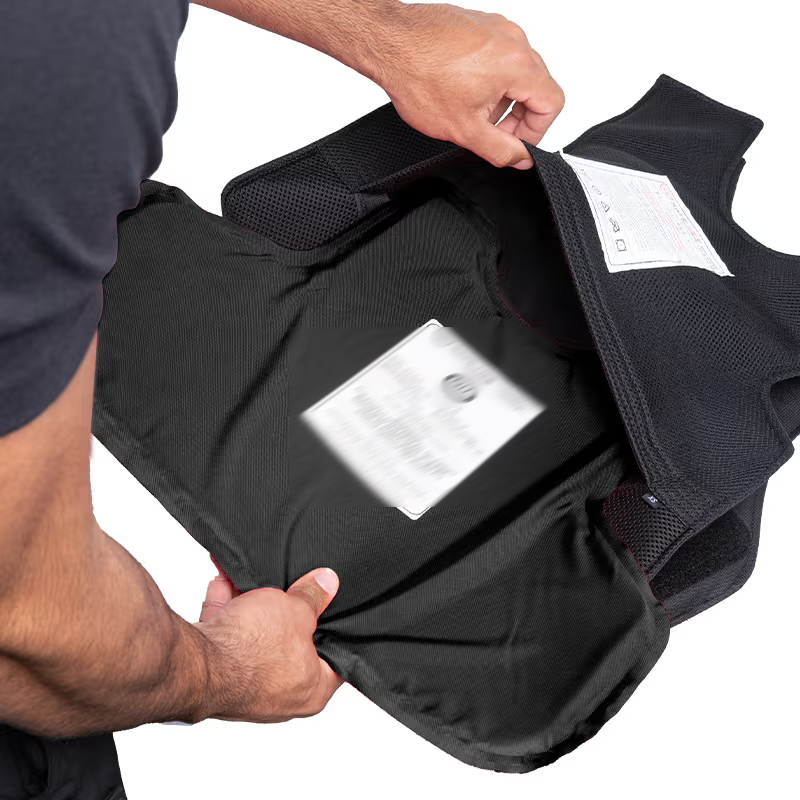
Clothing-armor system integration matters for operational performance and injury risk reduction. Undershirts and base layers worn beneath plate carriers should be moisture-wicking and anti-chafe — friction dermatitis and heat illness are significant risks during extended plate carrier wear. Outer garments worn over plate carriers must accommodate the carrier's bulk without restricting draw access to medical gear or weapon systems. For tactical medics, clothing with dedicated medical pouch attachment points (MOLLE at the thigh or sleeve) allows forward staging of bleeding control supplies outside the plate carrier, reducing treatment time in casualty care scenarios. See Plate Carriers for Tactical Medics for integrated loadout options.
Gear Up for the Mission
Duty-grade tactical clothing and footwear — built for professionals who work in demanding environments.
Frequently Asked Questions
What fabric is best for tactical pants — NYCO or poly-cotton?+
NYCO (nylon-cotton blend, typically 50/50) offers superior abrasion resistance compared to poly-cotton (65/35 polyester-cotton) and is preferred by military and special operations users for high-wear environments. Poly-cotton is lighter, more affordable, and suitable for law enforcement patrol or EMS duty where abrasion resistance is less critical. Both fabrics are available in ripstop weave, which prevents tear propagation. For extended wear comfort in warm climates, lightweight poly-cotton ripstop is generally preferred over NYCO due to better breathability.
Do law enforcement agencies have specific uniform requirements for tactical pants?+
Yes. Most law enforcement agencies specify color (black, navy, tan/coyote), fabric blend, and in some cases approved manufacturer lists for tactical duty wear. Common approved brands in agency uniform programs include Propper, Tru-Spec, 5.11 Tactical, Vertx, and Condor. Always confirm your agency's specific uniform policy before purchasing. MED-TAC carries brands commonly found on agency-approved lists; contact MED-TAC for agency procurement and bulk purchasing options.
What boot height is recommended for tactical law enforcement use?+
An 8" boot height provides the standard balance of ankle support and mobility for law enforcement patrol. 6" boots offer greater mobility and comfort for extended duty periods but reduce ankle support for uneven terrain. Side-zip 8" boots are widely used in EMS and fire for rapid donning in emergency callout situations. For special operations and mountain environments, 9"–10" heights with lace-to-toe construction provide maximum ankle stability during technical terrain navigation.
How do I care for tactical clothing to extend its service life?+
Machine wash in cold water on a gentle cycle to preserve DWR coatings and minimize fiber stress. Avoid fabric softeners — they degrade DWR treatments and wick performance. Tumble dry on low heat or air dry. Restore DWR performance by tumble drying on low heat for 20 minutes after washing, or use a DWR spray reapplication product after extended wear. For pants with integrated knee pad pockets, remove pad inserts before washing. Inspect stitching at high-stress points (waistband, belt loops, crotch gusset) regularly and have repairs made promptly to prevent delamination.
Related Collections
All products sourced from the actual brand manufacturer or authorized master distributors. CoTCCC recommendation status verified where applicable. Ships from MED-TAC International, Pembroke Pines, FL — clinician-founded, veteran-led, SDVOSB-certified.